Why Is Industrial Chemistry Important for Global Buyers?
Industrial chemistry quietly shapes nearly every global purchase, from polymer packaging to water-treatment membranes and battery materials. Buyers often see only a specification sheet. Behind it, factories manage purity, yield, energy use, traceability, and supply risk. The stakes are substantial. Cefic’s 2024 Facts and Figures report values global chemical sales at approximately €5.7 trillion in 2023. China represented about 41% of that market. The numbers are powerful, but they are not perfect. Reporting methods differ across regions, and market size does not guarantee responsible production.
The International Energy Agency identifies chemicals as the largest industrial consumer of oil and gas. Its analysis estimates that chemicals could account for 14% of oil demand and 8% of gas demand by 2030. That affects buyer decisions directly. A low-cost resin may carry higher energy exposure. A solvent shortage can delay a production line. A small impurity can spoil an entire batch. Practical industrial chemistry connects laboratory performance with factory reliability.
John Warner, a pioneer of green chemistry, defines the goal clearly: “The goal of green chemistry is to design chemical products and processes that reduce or eliminate the use and generation of hazardous substances.” Global buyers should therefore examine more than price. They need verified certificates, stable specifications, transparent origin data, and credible environmental records. That sounds straightforward. It rarely is. Supplier audits can miss subcontractors, while sustainability claims may lack comparable boundaries. Understanding industrial chemistry helps buyers ask sharper questions, compare total risk, and choose materials that perform beyond the first shipment.
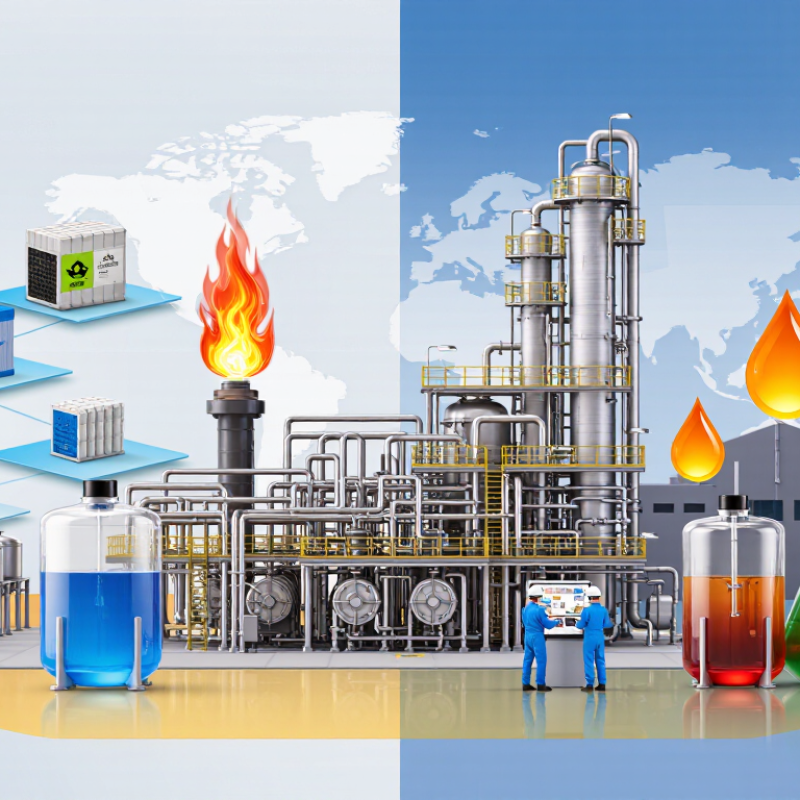
What Industrial Chemistry Means in Global Manufacturing
Industrial chemistry is the practical science behind global manufacturing. It converts raw materials into controlled products, such as polymers, coatings, adhesives, catalysts, and treatment chemicals. For global buyers, this means more than purchasing a formula. It means checking purity, viscosity, moisture, particle size, and batch consistency before production begins.
The OECD’s Global Material Resources Outlook to 2060 projects global material use will rise from 89 billion tonnes in 2017 to 167 billion tonnes by 2060. This pressure makes efficient chemical processing increasingly important. The International Energy Agency also identifies chemicals as the largest industrial energy consumer. A small process change can therefore affect energy use, production cost, and emissions across many factories.
In practice, buyers should connect laboratory data with factory conditions. A resin may meet its specification but behave differently after long-distance transport. Heat, humidity, and storage time matter. A certificate of analysis helps, but it does not replace incoming inspection. Buyers should request test methods, tolerance ranges, safety documentation, and traceable batch records. The UNIDO Industrial Development Report 2024 emphasizes the value of resilient and resource-efficient manufacturing systems. Still, no specification is perfect. A spreadsheet cannot reveal every processing problem. Pilot trials, supplier audits, and honest technical communication remain necessary.
How Industrial Chemistry Supports International Supply Chains
Why Is Industrial Chemistry Important for Global Buyers?
How Industrial Chemistry Supports International Supply Chains
Industrial chemistry connects raw materials, manufacturing, and international delivery. For global buyers, it affects product consistency, safety, and shipment timing. A resin, coating, or treatment chemical must perform reliably across different climates. Heat, humidity, and long transport periods can change its condition. Clear specifications help buyers compare quality, not only price. They also support accurate customs documents and local regulatory checks. Small details matter.
Tips: Ask for a current certificate of analysis, safety data sheet, and batch traceability. Confirm packaging sizes, shelf life, storage temperatures, and transport requirements. Check whether the material suits your production equipment. Request samples before approving large orders. Keep a practical backup plan for port delays or damaged packaging. These steps reduce surprises.
In practical procurement reviews, strong suppliers explain test methods and acceptable variation. They should communicate changes before production begins. A common mistake is trusting a familiar specification forever. Production needs can change after equipment upgrades or seasonal demand. The cheapest quote may create higher costs through rework, waste, or delayed delivery. Still, chemistry cannot remove every supply-chain risk. Forecasts can be wrong, and documents can contain gaps. Buyers should question unclear data and record decisions carefully. Reliable cooperation grows through evidence, honest communication, and regular technical review.
Key Applications Across Major Industrial Sectors
Why Is Industrial Chemistry Important for Global Buyers?
Key Applications Across Major Industrial Sectors
Industrial chemistry turns raw materials into reliable products for construction, agriculture, manufacturing, energy, and water management. For global buyers, this field affects safety, performance, cost, and supply consistency. A purchasing decision should examine more than price. Technical data, batch records, safety documents, and supplier audits reveal how a material performs in real conditions.
In construction, chemical additives can improve concrete flow, curing speed, and resistance to moisture. Coatings protect steel structures from corrosion and reduce maintenance work. Small dosage changes can affect an entire production line. In agriculture, formulated nutrients support crop growth, while water-treatment chemicals help control impurities in industrial systems. These applications require accurate handling and regular quality checks.
Manufacturing depends on solvents, polymers, adhesives, and specialty compounds for components, packaging, and surface treatment. Energy projects use chemical materials in insulation, battery production, filtration, and equipment protection. Healthcare manufacturing also relies on tightly controlled chemical inputs and documented purity. Yet no specification tells the whole story. A material may pass a laboratory test but perform poorly under heat, humidity, or long-distance transport. Experienced buyers should request application data, verify testing methods, and compare results from more than one production batch. Human error remains possible. Clear procedures and supplier communication still matter.
Factors Buyers Should Evaluate When Sourcing Chemical Products
Why Is Industrial Chemistry Important for Global Buyers?
Factors Buyers Should Evaluate When Sourcing Chemical Products
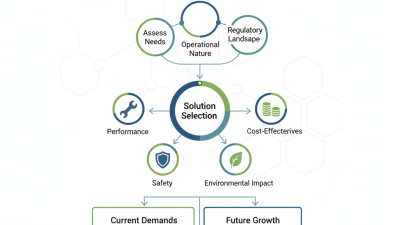
Industrial chemistry supports construction, agriculture, electronics, packaging, and water treatment. The scale is enormous. Cefic’s 2024 Facts and Figures estimates global chemical sales reached about €5.43 trillion in 2023. This scale increases sourcing choices, but also increases procurement risks. Buyers should examine purity, concentration, batch consistency, and production capacity before discussing price. A lower quotation may hide unstable specifications or expensive testing requirements.
Documentation deserves equal attention. Buyers should request a current specification sheet, safety data sheet, certificate of analysis, and traceability records for each batch. The United Nations Globally Harmonized System provides a useful framework for hazard communication. OECD due-diligence guidance also encourages buyers to review supply-chain risks and responsible business practices. A reliable supplier should explain storage temperatures, packaging materials, shelf life, and transport conditions clearly. Vague answers are warning signs.
Independent verification is valuable. Testing a retained sample can confirm moisture, assay, color, or particle size against agreed limits. Intertek’s 2023 chemical industry outlook describes continued pressure from energy costs, regulation, and supply-chain disruption. Buyers should therefore assess backup production, port exposure, lead times, and currency risks. One supplier may look efficient on paper. That can change after a port closure. The UN Global Chemicals Outlook reports that chemical production could double again by 2030, increasing the importance of safer and more transparent sourcing. Buyers should also question their own assumptions. An annual audit is helpful, but it cannot replace ongoing communication and batch-level evidence.