How to Use Pure Nitric Acid Safely and Effectively?
When handling pure nitric acid, safety and effectiveness are paramount. Dr. Emily Carter, a leading expert in chemical safety, emphasizes, "Understanding the properties of pure nitric acid is crucial for safe experimentation." This statement underlines the importance of knowledge when working with this potent substance.
Pure nitric acid is a strong oxidizing agent. It can cause severe burns and release harmful fumes. Proper ventilation is essential. Always work in a designated area, equipped with suitable personal protective equipment, such as gloves and goggles. Careless handling may lead to serious accidents.
Before using pure nitric acid, conduct thorough research. Understand the potential reactions and materials it may come into contact with. Each step should be measured. Safety data sheets are invaluable resources. They provide critical information. Remember, even minor mistakes can have significant consequences. Always prioritize safety and remain aware of your surroundings.
Understanding Pure Nitric Acid: Properties and Uses
Pure nitric acid is a highly corrosive and strong oxidizing agent. It appears clear and colorless, with a pungent odor. This chemical is commonly used in various industries. It can serve in manufacturing fertilizers, explosives, and dyes. While it has many applications, handling it comes with serious safety considerations.
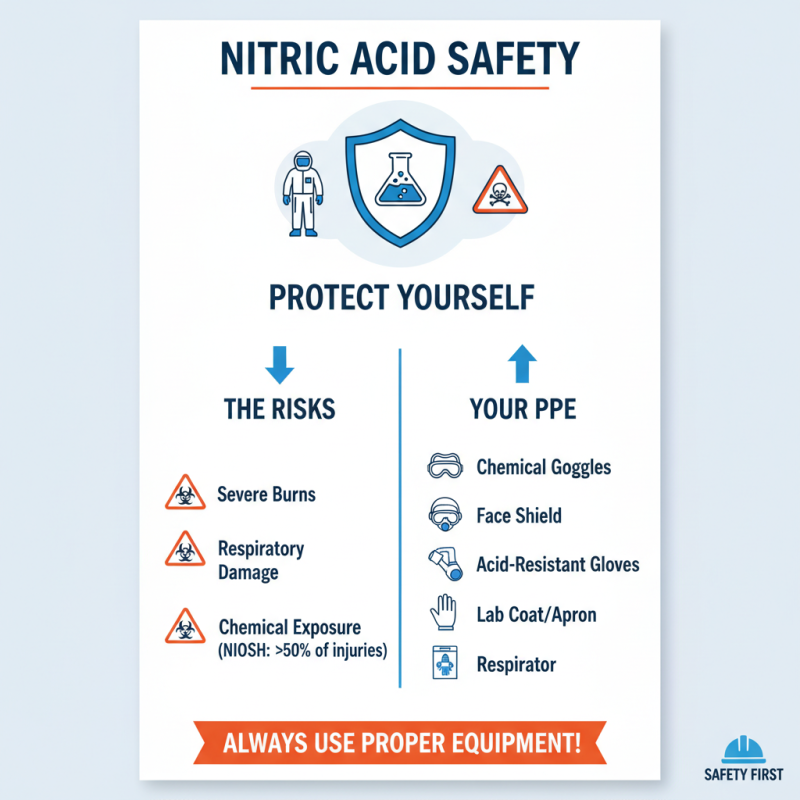
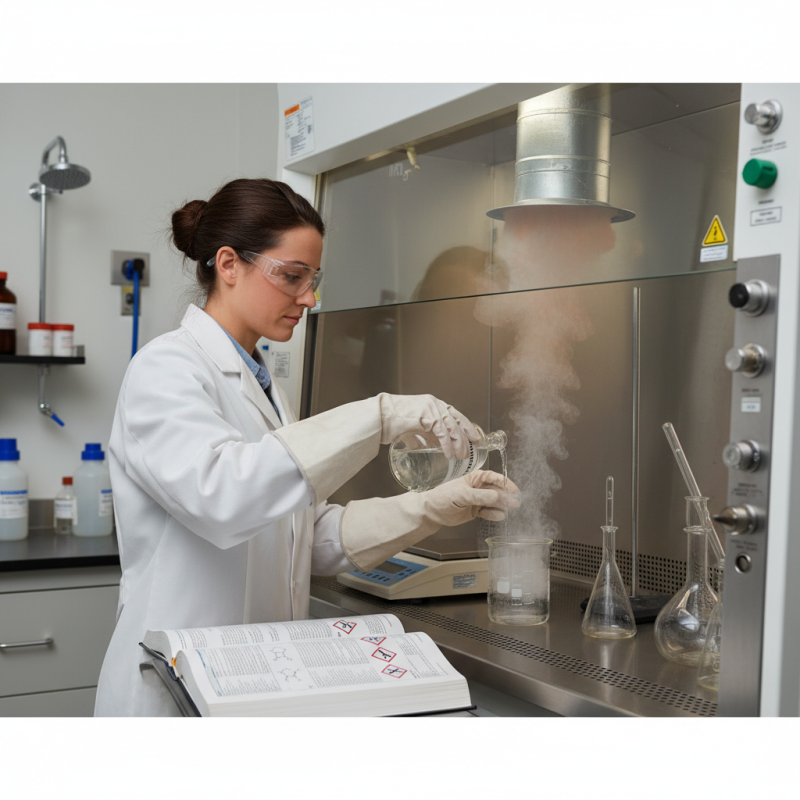
When using pure nitric acid, one must wear appropriate personal protective equipment (PPE). This includes gloves, goggles, and lab coats. Work in well-ventilated areas to minimize inhalation risks. Be cautious; its fumes can cause severe respiratory damage. Accidental spills require immediate attention. Neutralizing agents can help, but one must follow proper protocols.
Understanding nitric acid's reactivity is crucial. It can react violently with many substances, such as organic materials and metals. Miscalculations can lead to hazardous situations. It's important to not underestimate its potency. Proper training and awareness can make a difference in maintaining safety while utilizing this powerful chemical.
How to Use Pure Nitric Acid Safely and Effectively
This chart illustrates the importance level of various safety measures when using pure nitric acid. The measures include dilution, proper storage, waste disposal, use of personal protective equipment, and ensuring adequate ventilation, all of which are crucial for safe handling and usage of nitric acid.
Safety Precautions When Handling Pure Nitric Acid
Handling pure nitric acid requires careful attention to safety. Always wear appropriate personal protective equipment, including gloves, goggles, and lab coats. This prevents skin and eye contact. A fume hood is crucial for ventilation. It should be your primary work environment. If fume hoods are unavailable, ensure the area is well-ventilated.
Be cautious with storage. Store nitric acid in a cool, ventilated location away from incompatible substances. Corrosive materials can react violently. Label all containers clearly to avoid accidents. Spills should be responded to immediately. Use absorbent materials to contain them. Dispose of waste according to local regulations.
Remember, accidents happen unexpectedly. One small mistake can lead to harmful exposure. Always double-check your equipment before use. It’s easy to overlook simple steps. Regular training on proper handling techniques is essential. Engaging in safety drills can reinforce good habits. Continually reflect on your practices for improvement. Keeping a safety checklist may help as well.
Essential Personal Protective Equipment for Nitric Acid Handling
When handling pure nitric acid, personal protective equipment (PPE) is critical. It minimizes risks and ensures safety. According to a report by the National Institute for Occupational Safety and Health (NIOSH), over 50% of workplace injuries involve chemical exposures. Thus, proper equipment cannot be overlooked.
Start with gloves. But not just any gloves. Nitrile gloves, rated for chemical resistance, are essential. They provide a barrier against nitric acid, which can quickly cause skin burns. A study from the American Journal of Industrial Medicine emphasized that improper glove use increases skin contact risk.
Eye protection is equally vital. Safety goggles or face shields should be worn at all times. The American Chemical Society states that eye injuries from chemicals result in significant medical costs and lost work hours. It’s alarming to think how such simple precautions can prevent severe injuries.
Additionally, respirators may be required based on the nitric acid concentration. The NIOSH recommends using the right filters to prevent inhalation of harmful vapors. But even with the right gear, sometimes training lacks. Workers might overlook the significance of proper PPE. Continuous education and drills are needed to reinforce safety measures.
Proper Storage and Disposal Techniques for Nitric Acid
Proper storage of pure nitric acid is crucial for safety. It should be kept in a cool, well-ventilated area. Containers should be made of materials resistant to corrosion, such as glass or certain plastics. The temperature must not exceed 25°C to prevent pressure build-up. According to the Occupational Safety and Health Administration (OSHA), it is essential to label storage areas clearly. Additionally, nitric acid should never be stored near organic materials or incompatible substances.
Disposal of unused nitric acid requires careful consideration. Regulations vary, but reporting and following local guidelines is vital. Dilution is not always recommended as it can generate heat, leading to violent reactions. The Environmental Protection Agency (EPA) suggests neutralization with a proper agent prior to disposal. However, this process demands expertise. Even small amounts can pose risks. The disposal site must have trained personnel to handle hazardous waste. Multiple reports highlight the dangers of improper disposal. Reflecting on our practices can help improve safety protocols.
Effective Techniques for Diluting Pure Nitric Acid Safely
When working with pure nitric acid, safety is paramount. Always wear personal protective equipment, such as gloves and goggles, to prevent contact with skin or eyes. This is a strong acid that can cause severe burns. Choose a well-ventilated area for your work. Fumes can be harmful.
To dilute nitric acid, slowly add acid to water, not the other way around. This method minimizes heat generation and splashing. Use a suitable container, preferably made of glass or specific plastic, to avoid reactions with the acid. Keep a neutralizing agent, like sodium bicarbonate, nearby in case of spills. Never rush the process.
Tips:
Ensure you’re familiar with emergency procedures before starting. Accidents can happen. Have a spill kit accessible. Label all containers clearly to avoid confusion with other substances. Always reflect on your surroundings. This awareness can prevent careless mistakes. Don't forget to check the integrity of your protective gear regularly. Safety first, always.