Top Innovations in Manufacturing Chemical Processes Are They Sustainable?
In the ever-evolving sector of manufacturing chemical processes, sustainability has become a critical concern. Dr. Emily Chen, a renowned expert in manufacturing chemical innovations, stated, “True progress requires us to rethink our methods and materials.” This statement echoes the urgent need for a paradigm shift in how chemical products are manufactured.
Recent innovations aim to balance efficiency with environmental considerations. Companies are exploring greener alternatives to conventional raw materials. However, the transition to sustainable manufacturing chemical processes is fraught with challenges. For instance, the cost of implementation may hinder smaller players in the industry.
Moreover, while advancements in technology show promise, they are not without flaws. Some new processes may result in byproducts that still harm the environment. This contradiction invites reflection on whether these innovations are genuinely sustainable or merely a stopgap. As we consider the future of manufacturing chemical processes, both excitement and skepticism must guide our evaluation.
Overview of Current Innovations in Chemical Manufacturing Processes
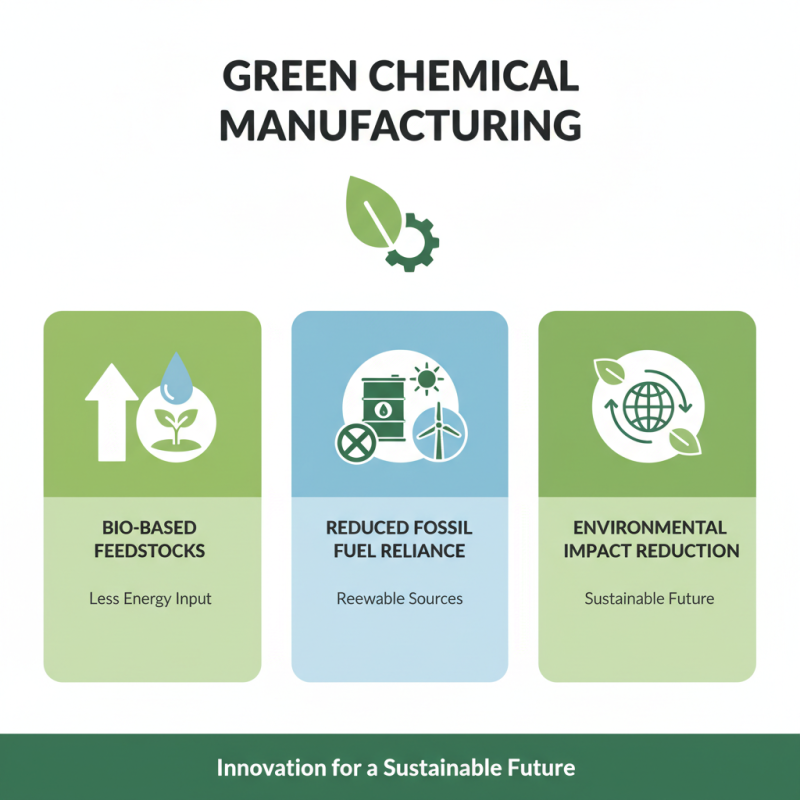
Innovations in chemical manufacturing processes are transformative. Many companies are adopting greener methods to reduce environmental impact. For instance, the use of bio-based feedstocks is on the rise. These materials often require less energy to produce. They also reduce reliance on fossil fuels. Such changes bring hope for a more sustainable future.
Another emerging trend is continuous manufacturing. This approach allows for real-time monitoring and adjustments. Production becomes more efficient and less wasteful. However, challenges remain. Not all facilities are equipped for this shift. Transitioning can be costly and complex. Some processes still depend on traditional batch methods.
Lastly, digital technologies are reshaping the landscape. Automation and artificial intelligence streamline operations. This boosts productivity. Yet, reliance on technology poses risks. Cybersecurity threats are a growing concern. Moreover, there’s a skill gap in the workforce. Training is essential, but it often lags behind the pace of innovation. Balancing these advancements with sustainability is crucial for the industry's future.
Impact of Technology on Efficiency and Sustainability in Chemicals
The advancement of technology in chemical manufacturing plays a crucial role in enhancing efficiency and sustainability. Innovations like artificial intelligence and machine learning streamline processes. They help reduce waste and energy consumption. These technologies offer predictive maintenance, which can prevent equipment failures. However, reliance on technology can pose challenges. Over-dependence may lead to vulnerabilities in operations.
To improve sustainability, consider implementing smart sensors in your facilities. These devices can monitor real-time data, optimizing resource usage. Regularly analyzing this data can uncover inefficiencies, allowing firms to make informed decisions. Your team should also stay updated on innovations. Sometimes, the newest technology isn't the best solution. It’s vital to weigh costs versus benefits for every new implementation.
Invest in training for your workforce. A skilled team is essential for maximizing new technologies. They must understand both the technology and its implications. Regular training sessions can cultivate a culture of sustainability. Remember, technology alone isn't the solution. It works best when combined with human insight and innovative thinking. This dynamic is key to truly enhancing the sustainability of chemical processes.
Top Innovations in Manufacturing Chemical Processes Are They Sustainable? - Impact of Technology on Efficiency and Sustainability in Chemicals
| Innovation |
Description |
Efficiency Impact (%) |
Sustainability Score (1-10) |
Year Introduced |
| Advanced Catalysis |
Utilizes nanomaterials to enhance reaction rates. |
30 |
8 |
2021 |
| Process Intensification |
Reduces the size of chemical reactors to improve reaction conditions. |
25 |
7 |
2019 |
| Biochemical Pathways |
Employs microorganisms for the production of chemicals. |
40 |
9 |
2020 |
| Digital Twin Technology |
Creates virtual models of chemical processes for optimization. |
35 |
6 |
2022 |
| Green Solvents |
Utilizes non-toxic solvents for chemical reactions. |
20 |
10 |
2018 |
Challenges of Implementing Sustainable Innovations in Chemical Processes
Implementing sustainable innovations in chemical processes presents significant challenges. One major obstacle is the initial investment required. Many companies hesitate to allocate funds for new technologies, fearing that these innovations might not yield immediate results. This concern can stifle progress, as companies may choose to stick to traditional methods that feel safer.
Moreover, staff training is often overlooked. New processes demand new skills. Employees may need extensive training to operate modern systems efficiently. This transition can create gaps in productivity during the learning phase. Some workers might resist change, clinging to familiar practices.
Additionally, the variability in raw materials can hinder sustainability efforts. Sourcing eco-friendly inputs is not always feasible. Prices fluctuate, and consistent quality can be hard to maintain. Often, companies face dilemmas about balancing sustainability with operational efficiency. These reflections unveil the complexity of pursuing sustainable innovations in chemical manufacturing. They challenge us to rethink our approach and commit to long-term goals.
Future Trends in Sustainable Chemical Manufacturing Innovations
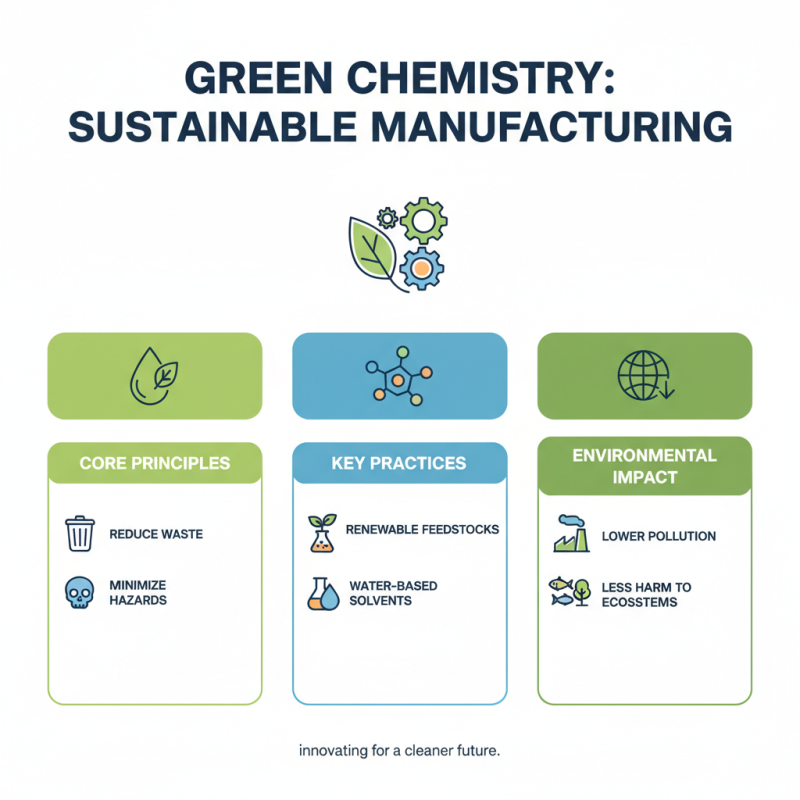
Sustainable chemical manufacturing is evolving swiftly. Innovations in processes aim to minimize waste and energy consumption. These efforts help industries reduce their environmental footprint. However, the transition is not without challenges. Many traditional methods are deeply rooted in practice, making change difficult.
One remarkable trend is the use of bio-based materials. These materials come from renewable sources. They often have a lower carbon footprint. For instance, plant-derived chemicals can replace petroleum-based products. But not all bio-based options are sustainable. Some may compete with food production, raising ethical concerns.
Tips: Always assess the full lifecycle of products. Consider their impacts from production to disposal. Continuous innovation is vital for sustainability. Yet, industries should remain critical of their choices. Not every new solution is the best one. Emphasizing transparency may help improve practices.
Innovations in Sustainable Chemical Manufacturing