
Careers
How to Optimize Chemical Processing for Efficiency and Safety?
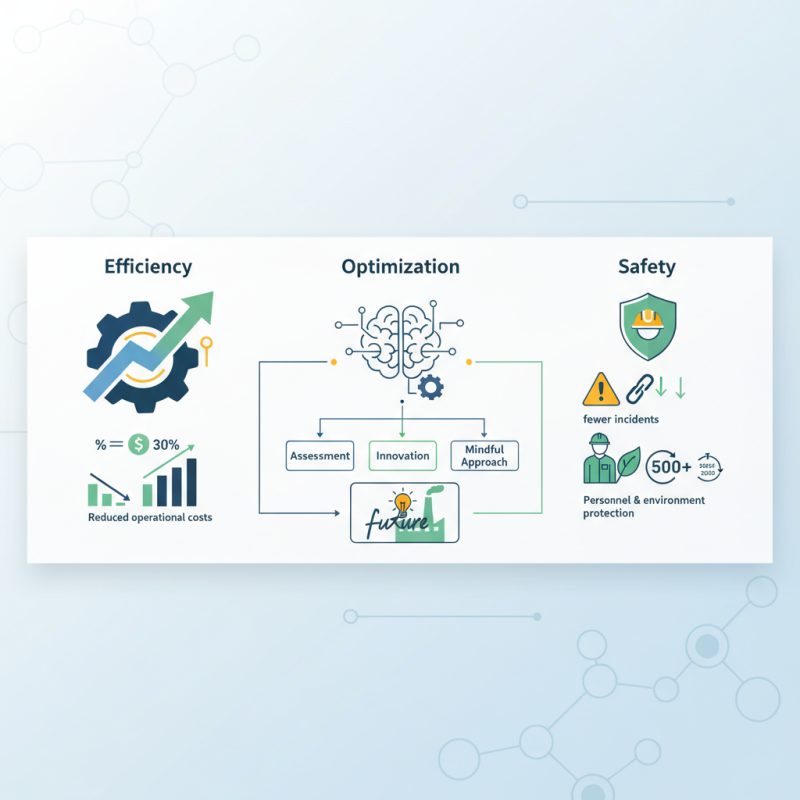
In the fast-paced world of chemical processing, efficiency and safety are paramount. The Global Chemical Industry Report indicates that optimizing processing can reduce operational costs by up to 30%. This figure highlights the importance of strategic improvements within the sector. Safety is equally critical. In 2020, chemical manufacturing recorded over 500 incidents. These incidents remind us that even minor lapses can lead to significant consequences.
Renowned chemical processing expert Dr. Emily Carter stated, "Efficiency must never compromise safety in our industry." Her words resonate deeply in a field where every decision carries weight. Companies must continually assess their processes, seeking innovative ways to enhance performance while safeguarding personnel and the environment.
Despite advancements, many plants still face outdated procedures. A reliance on traditional methods can hinder progress. Companies should prioritize evaluation and reflection, identifying both successes and shortcomings. This mindful approach will lay the foundation for a safer, more efficient chemical processing future.
Understanding Chemical Processing and Its Importance for Efficiency
Chemical processing is vital in numerous industries. According to a 2021 report by the International Energy Agency, industrial processes account for about 20% of global energy-related CO2 emissions. Optimizing these processes can lead to enhanced efficiency and reduced environmental impact. However, many facilities struggle with outdated systems, leading to waste and inefficiency.
The integration of modern technologies, like advanced sensors and data analytics, can provide valuable insights. For example, the use of real-time monitoring systems can improve reaction times and ensure safer operations. In a study by McKinsey, companies that adopted such technologies reported a 10-15% increase in operational efficiency. Yet, adoption remains slow in some sectors. There are challenges in training staff and integrating new technologies into existing frameworks.
Furthermore, ensuring safety is paramount. The Chemical Safety Board found that nearly 50% of accidents are due to human error. This highlights the need for continuous training and improvement. While many organizations recognize the importance of efficiency and safety, actual implementation often falls short. Addressing these shortcomings can foster a culture of safety and efficiency in chemical processing.
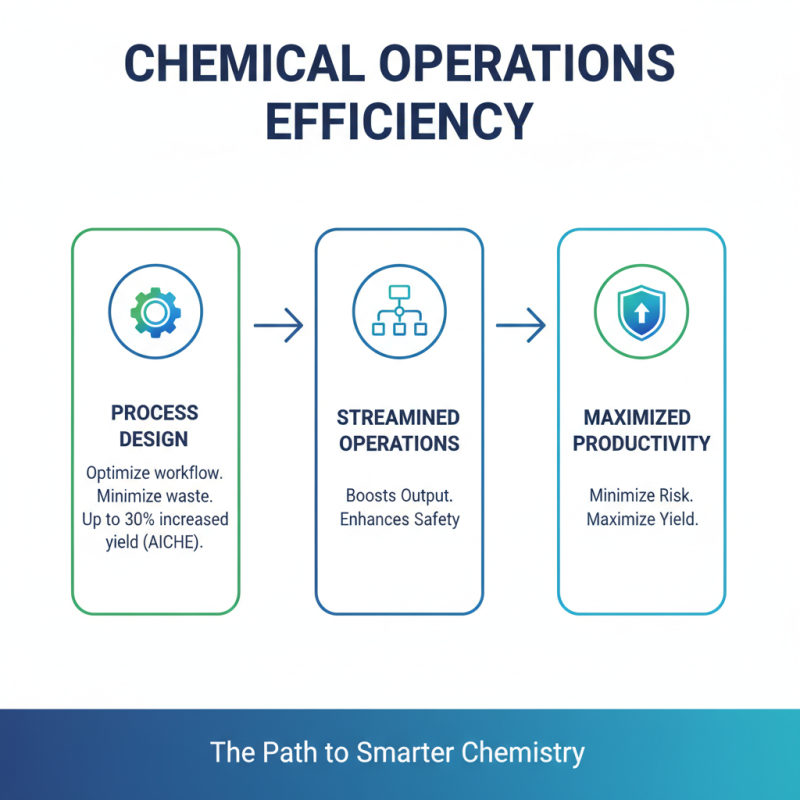
Optimization of Chemical Processing Efficiency and Safety
Identifying Key Factors Influencing Efficiency in Chemical Operations
Efficiency in chemical operations hinges on several key factors. First, process design plays a vital role. According to the American Institute of Chemical Engineers, poorly designed processes can decrease yield by up to 30%. Streamlining workflow and minimizing waste not only boosts output but also enhances safety. Each step should minimize risk while maximizing productivity.
Energy consumption is another critical factor. Data from the U.S. Department of Energy reveals that chemical industries could save over $1 billion annually through energy efficiency measures. Investing in energy audits and upgrading equipment can seem costly. However, these initiatives typically lead to significant long-term savings and a reduced environmental impact.
Operator training is often overlooked. A proficient workforce can identify process inefficiencies and safety hazards quickly. Yet, studies show that nearly 25% of operational errors stem from inadequate training. Regular refresher courses and hands-on training can bridge this gap. Fostering a culture of safety and continuous improvement can empower teams to contribute actively to operational efficiency.
Implementing Best Practices for Safety in Chemical Processing
In chemical processing, safety cannot be compromised. According to a report by the U.S. Chemical Safety Board, 70% of chemical incidents result from human error. This alarming statistic emphasizes the need for stringent safety protocols in the industry. Implementing best practices is essential. Regular training sessions can help workers understand the hazards involved. Safety drills should also be conducted frequently. These measures ensure preparedness and awareness in emergency situations.
Tip: Invest in safety technology. Sensors can detect leaks early. This reduces risks and allows for quick responses. Make sure all employees are trained in how to use this technology effectively. Regular maintenance checks on equipment should be standard. Ignoring wear and tear can lead to accidents.
Chemical processing plants often face challenges in fostering a safety culture. Workers may overlook safety measures during high-pressure situations. Encouraging a culture where safety is prioritized can mitigate these risks. Supervisors should regularly communicate safety expectations. Feedback from staff on safety protocols should be welcomed. This can lead to necessary improvements and greater awareness.
Leveraging Technology and Automation to Enhance Process Efficiency
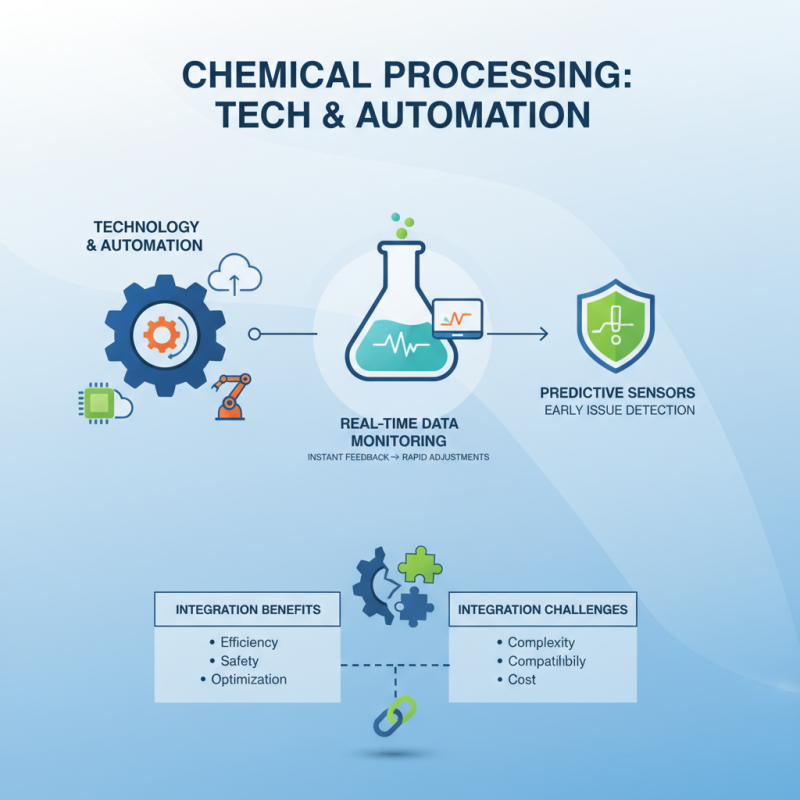
In chemical processing, technology and automation play vital roles. By incorporating advanced software systems, companies can monitor real-time data. This instant feedback allows for rapid adjustments. Sensors can detect potential issues before they escalate. However, there can be challenges in integrating these technologies seamlessly.
Automation helps minimize human error, yet reliance on machines raises concerns. Sometimes, automated systems can malfunction or create unexpected outcomes. This may lead to safety risks and inefficient operations. Regular maintenance and checks are essential. Staff must also be trained to interact with these systems confidently.
Cloud-based solutions enhance collaboration across teams. However, not every facility adapts quickly to the digital shift. Legacy systems often hinder efficiency. Finding the balance between old and new methods is crucial. Necessary adjustments to workflows must be carefully planned and executed. Embracing technology is key, yet it demands a thoughtful approach.
Regular Maintenance and Training: Essential for Safety and Performance
Regular maintenance is crucial for efficient chemical processing. Routine checks can prevent unexpected breakdowns. Equipment should be inspected regularly to ensure everything functions correctly. This practice helps identify issues before they escalate.
Training is equally important. Workers need to understand their roles. Regular training sessions enhance skills and knowledge about safety protocols. It's essential that every team member knows how to respond in emergencies. Sometimes, the procedures may be overlooked or not adequately followed. This can lead to risks.
Tips: Encourage open communication among staff. Create a culture where everyone feels safe to share concerns. Utilize checklists during maintenance routines. This ensures no steps are missed, decreasing the chance of accidents. Reflect on past incidents to improve and adapt safety measures.
Related Posts
-
Top 10 Innovations in Chemical Processing Driving Industry Efficiency in 2023
-
10 Essential Tips for Safely Handling Chemistry Chemicals in the Lab
-

How to Optimize Chemical Manufacturing Processes for Increased Efficiency
-

Best 10 Chemicals in Chemistry You Should Know?
-

How to Choose the Best Chemical Products for Your Business in 2025
-
2025 How to Choose the Best Industrial and Chemical Solutions for Your Business