Top Industrial Chemical Packaging Solutions for Global Buyers?
In today's global marketplace, the importance of effective industrial chemical packaging cannot be overstated. Industries rely on these solutions to ensure product safety and integrity during transport and storage. With various materials and designs available, choosing the right packaging can significantly impact operational efficiency.
Industrial chemical packaging encompasses a range of options, including drums, containers, and flexible bags. Selecting the best type is crucial for protecting sensitive chemicals from contamination and degradation. Each solution offers distinct advantages, from durability to cost-effectiveness, but it can be challenging to navigate these choices.
Market demands are ever-evolving. Buyers must stay updated on trends and technological advancements in industrial chemical packaging. This can be daunting, as not all options suit every application. By understanding the diverse needs of industries, global buyers can make informed decisions. Engaging with experts in the field can further enhance this process, ensuring reliable and effective packaging solutions are employed.
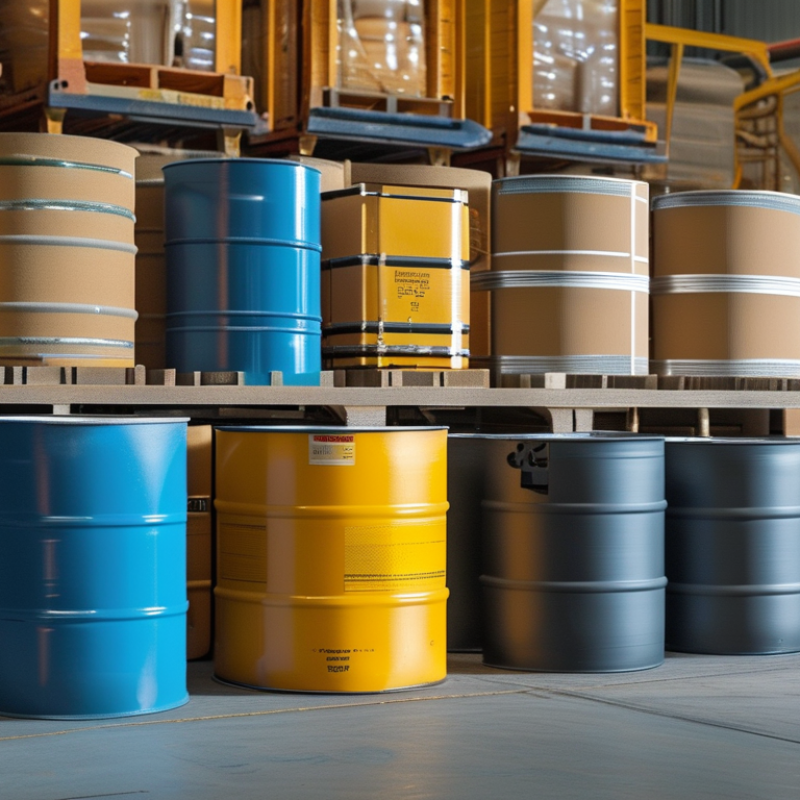
Key Factors Influencing Industrial Chemical Packaging Choices
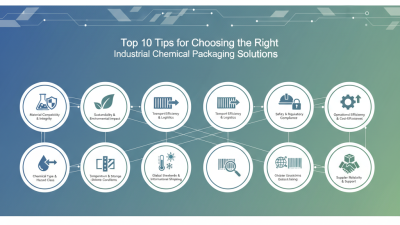
Choosing the right packaging for industrial chemicals requires careful consideration of various factors. One key element is material compatibility. Different chemicals interact uniquely with packaging materials, which can significantly affect safety and efficacy. For instance, corrosive substances must be housed in inert materials to prevent reactions that could lead to leaks or contamination.
Another crucial factor is sustainability. As environmental concerns grow, many companies are seeking eco-friendly packaging options. This can include biodegradable materials or those that are easily recyclable. However, companies must weigh these benefits against potential performance issues. For example, while biodegradable packs reduce waste, they may not offer the same durability or protection as conventional options.
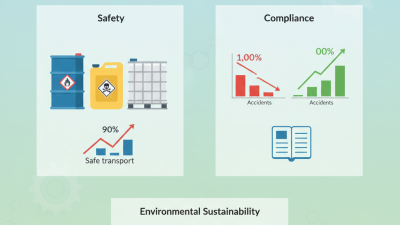
Regulatory compliance also plays a vital role in decision-making. Industrial chemicals are often subject to strict regulations. Non-compliance can result in serious legal repercussions. Therefore, companies must stay informed about relevant regulations when selecting packaging solutions. Balancing these factors can be complex, but a thorough approach can lead to safer and more effective chemical packaging.
Types of Packaging Materials Used in Chemical Industry
When it comes to packaging for the chemical industry, the choice of materials is crucial. Various factors dictate these choices, such as the chemical’s properties and its intended use. Common materials include high-density polyethylene (HDPE), which offers strength and resistance to impacts and chemicals. HDPE is lightweight, making transport easier. Additionally, it is recyclable, contributing to sustainability.
Another prevalent option is glass. It provides excellent protection against external contamination. Glass is inert, which means it does not react with most chemicals. However, its fragility poses a risk during transportation and handling. The need for careful handling is essential to minimize breakage and ensure safety.
Flexible packaging options, such as foil pouches and composite bags, are also gaining traction. These designs can be customized for various chemical products. While they are lightweight and require less storage space, they may offer limited protection against certain chemical interactions. Manufacturers often face challenges in balancing cost and material performance. Each option has its advantages and drawbacks. Therefore, making informed decisions is essential for safety and efficiency in chemical handling and transportation.
Sustainable Practices in Chemical Packaging Solutions
The movement towards sustainable practices in chemical packaging is gaining momentum. According to recent industry reports, sustainable packaging reduces environmental impact while ensuring product safety. The global shift is driven by consumers and regulations demanding eco-friendly solutions.
In fact, the sustainable packaging market is projected to reach $500 billion by 2028. Bioplastics and recycled materials are becoming common alternatives. These materials significantly lower greenhouse gas emissions. However, the transition is not without challenges. Many companies still rely on traditional packaging, which can hinder progress.
Conducting life cycle assessments is crucial to evaluate the environmental impact of packaging options. Over 70% of consumers prefer brands that prioritize sustainability. This showcases a clear demand for transparency in packaging practices. Companies need to adapt their strategies to align with these expectations. Embracing innovative solutions is not just beneficial; it is necessary for survival in the competitive market.
Top Industrial Chemical Packaging Solutions for Global Buyers
Innovative Technologies Transforming Chemical Packaging
Innovative technologies are reshaping the landscape of chemical packaging. These advancements focus on safety, efficiency, and environmental impact. Smart packaging solutions use sensors to track the condition of chemicals in transit. This ensures that products are maintained at optimal temperatures and remain free from contamination.
Another notable development is the use of sustainable materials. Biodegradable and recyclable options are becoming more common. They help reduce waste while meeting stringent regulatory standards. However, finding the right balance between durability and sustainability remains a challenge. Some materials may not fully protect contents, leading to potential safety risks.
Automation is also playing a key role in chemical packaging. Robotics streamline the packing process and minimize human error. Yet, the reliance on technology raises questions about job security in the industry. As these systems evolve, companies must address potential workforce impacts while maximizing efficiency. Overall, the transformation of chemical packaging is driven by innovation, but it requires careful consideration of its wider implications.
Top Industrial Chemical Packaging Solutions for Global Buyers
| Packaging Solution |
Material Type |
Sustainability Rating |
Country of Origin |
Cost (per unit) |
| Flexible Bags |
Polyethylene |
High |
USA |
$0.50 |
| Drums |
Steel |
Medium |
Germany |
$25.00 |
| IBC Totes |
Polyethylene |
High |
China |
$150.00 |
| Bulk Containers |
Composite |
Medium |
Canada |
$60.00 |
| Glass Bottles |
Glass |
High |
Italy |
$0.75 |
Global Regulatory Standards Impacting Chemical Packaging Design
The landscape of chemical packaging design is increasingly influenced by global regulatory standards. These standards aim to ensure safety, environmental protection, and public health. According to a report by the International Council of Chemical Associations, over 60% of chemical manufacturers face challenges in compliance with stringent regulations. This can complicate packaging choices, as firms must navigate variances across different markets.
Understanding the specifics of these regulations is crucial. For instance, the Globally Harmonized System (GHS) requires clear labeling of hazardous materials. This impacts not only the design of packaging but also the materials used. A report from the American Chemistry Council indicates that nearly 40% of companies have adapted their packaging to meet GHS requirements. Clarity and compliance can enhance customer trust and ensure smoother international trade routes.
Ensuring your chemical packaging meets all regulatory standards can prevent costly penalties. Regular training on compliance for your packaging team can mitigate risks. Another important detail is to frequently review updates in regulations, as standards can change unexpectedly. Staying proactive can save time, resources, and improve overall safety in chemical handling.