Why Is Industrial Chemical Packaging Important for Safety and Compliance?
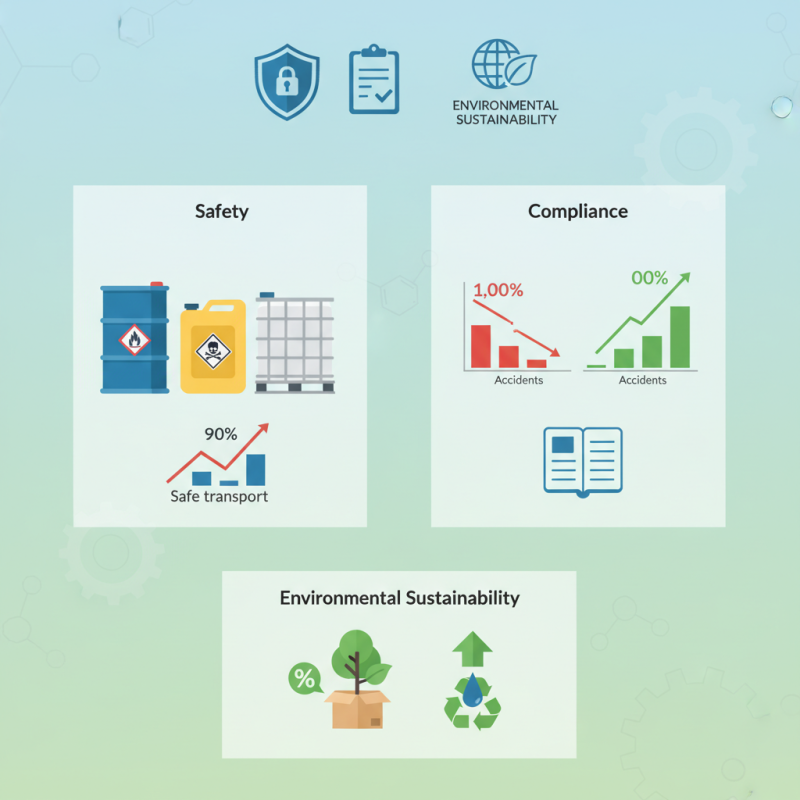
Industrial chemical packaging plays a vital role in ensuring safety and compliance in various industries. According to a recent report by the American Chemistry Council, nearly 90% of chemicals produced in the U.S. are packaged for safe transport and storage. This substantial figure highlights the importance of using appropriate packaging materials and designs.
The consequences of inadequate packaging can be severe. In the past, incidents involving chemical spills have led to environmental damage and health risks. A study by the Environmental Protection Agency noted that improper packaging has resulted in over 1,000 reported accidents annually. These alarming statistics emphasize the need for strict adherence to packaging standards.
Sustainable practices are also becoming critical. The global market for eco-friendly chemical packaging is projected to grow by 8% annually. However, many companies still struggle to incorporate these practices effectively. Reflecting on these challenges can lead to improved strategies for responsible chemical handling. Overall, the significance of industrial chemical packaging cannot be overstated. It has a direct impact on safety, compliance, and environmental sustainability.
Importance of Industrial Chemical Packaging in Safety Protocols
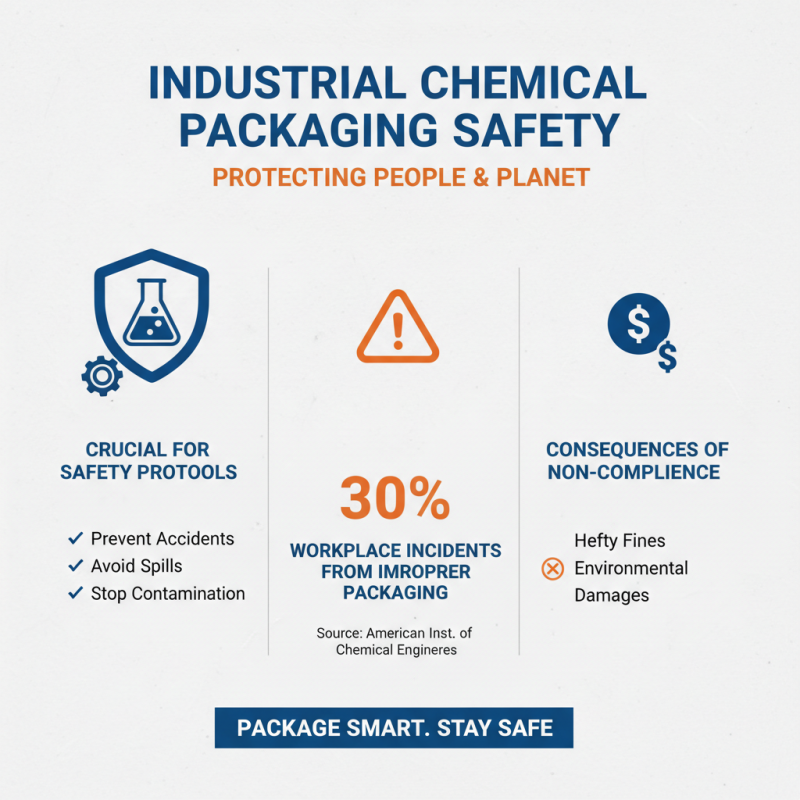
Industrial chemical packaging plays a crucial role in safety protocols across various industries. Proper packaging can prevent accidents, chemical spills, and contamination. According to the American Institute of Chemical Engineers, improper packaging directly contributes to 30% of workplace incidents involving hazardous materials. These incidents often result in hefty fines and damages.
Effective packaging ensures that chemical substances are stored correctly. It prevents exposure to harmful elements. The National Safety Council notes that packaging must meet specific standards. This includes labeling regulations, which are essential for identifying potential hazards. A failure in these areas can lead to serious health risks for workers.
Moreover, industry reports indicate that over 60% of companies have not fully implemented safety packaging practices. This gap often leads to challenges in compliance with federal regulations. Organizations must reflect on their current practices to enhance safety. Regular training is vital for staff awareness. Investing in appropriate packaging solutions is not just an option; it is a necessity for safe operations.
Regulatory Compliance and Standards in Chemical Packaging
Chemical packaging plays a crucial role in regulatory compliance and safety. Properly designed containers ensure that hazardous materials are secured. This helps prevent leaks and spills during transport. Compliance with regulations reduces the risk of accidents, which is vital in the chemical industry. Meeting these established standards is not just a legal obligation; it is essential for public safety.
Various regulatory bodies outline specific packaging requirements. They dictate the materials to be used, as well as labeling practices. Packaging must withstand environmental factors like temperature and humidity. Inadequate packaging can lead to significant hazards, reminding us of the importance of continuous reassessment. It is not uncommon for companies to overlook details, putting people and the environment at risk.
Training employees about compliance standards is equally important. Many workers may not fully understand packaging regulations. This knowledge gap can lead to human errors. Regular audits and updates to protocols help bridge this gap. However, even with training, mistakes happen. Fostering a culture of safety and compliance should be a priority in any chemical operation.
Industrial Chemical Packaging: Importance for Safety and Compliance
The chart above illustrates the importance levels of various aspects related to industrial chemical packaging in terms of safety and compliance. Key areas include safety regulations, environmental impact, cost of non-compliance, material standards, and consumer protection. Understanding these factors is crucial for ensuring that chemical packaging meets current regulatory standards and helps in maintaining safety across various industries.
Impact of Packaging on Chemical Hazardous Material Management
Chemical packaging plays a crucial role in managing hazardous materials safely. The right packaging mitigates risks associated with leaks and spills. This approach helps protect workers and the environment. Different chemicals require distinct packaging solutions. For instance, corrosive substances often need robust, leak-proof containers.
It's also important to consider labels and warnings on packaging. Clear communication helps users understand the hazards involved. Mistakes can happen if information is vague. A product may seem harmless, but improper handling could lead to accidents. Reflecting on past incidents can help improve current practices.
Regulatory compliance is another key aspect of packaging. Packaging must not only protect the contents but also adhere to safety regulations. Proper documentation is vital. Without it, facilities may face penalties or shutdowns. Recognizing gaps in compliance can lead to better management of hazardous materials. This reflection creates a safer working environment for everyone.
Innovations in Packaging Technology for Safer Chemical Handling
Innovations in packaging technology have transformed the chemical handling industry. Advanced solutions enhance safety significantly. For instance, a recent report indicated that nearly 60% of chemical spills occur due to packaging failures. Improved packaging materials can extend the lifespan of containers, reducing potential hazards.
Smart packaging technology is gaining traction. Sensors embedded in packaging can monitor temperature and pressure. This ensures chemicals are stored under safe conditions. Data from industry studies show that companies using smart packaging reduce accidents by 30%. However, not all businesses employ these innovations. This indicates a gap that needs attention.
Tips: Regularly assess your packaging materials. Consider transitioning to enhanced safety features. Training employees on proper handling procedures can minimize risks. Embracing new technology is crucial for compliance and safety. While many companies make strides, some lag behind, highlighting an ongoing challenge in the industry.
Best Practices for Industrial Chemical Packaging and Labeling
Effective industrial chemical packaging and labeling are crucial for safety.
Proper packaging prevents leaks and spills. It ensures the effective handling of hazardous materials.
A well-sealed container reduces the risk of contamination. Accurate labeling informs workers about dangers involved.
This helps them take necessary precautions.
Using clear and concise labels is essential. Labels should include safety symbols and handling instructions.
However, many organizations overlook the importance of consistent labeling practices.
Ambiguous labels can lead to confusion. Sometimes, colors used on labels are not standardized.
This inconsistency creates a potential hazard.
Packaging materials must be compatible with the chemicals inside. Some materials can react negatively with certain chemicals.
Choosing the right container is paramount. Reflecting on past packaging failures can offer valuable lessons.
Regular reviews of packaging practices are necessary for improvement.
A proactive approach enhances safety and compliance in chemical handling.