What is HPMC and its Role in Liquid Detergents?
Hydroxypropyl Methylcellulose (HPMC) plays a crucial role in liquid detergents. As an essential ingredient, it impacts the viscosity and stability of these products. According to Dr. Emily Chen, an expert in detergents, "HPMC for Liquid Detergents enhances performance while ensuring user safety."
HPMC helps to create a smooth and consistent texture in liquid formulations. This improves the overall performance and user experience. It also contributes to the cleaning efficiency by allowing better dirt dispersion. However, there are challenges in balancing the optimal concentration of HPMC. Too little may reduce effectiveness, while too much can alter texture negatively.
The importance of HPMC in liquid detergents cannot be overstated. Its role in stabilizing formulations ensures products remain effective over their lifespan. Yet, manufacturers must continue to explore how to optimize HPMC use. Seeing past its benefits can lead to important lessons about product formulation. Striving for the right balance is essential for future innovations.
What is HPMC and its Chemical Composition?
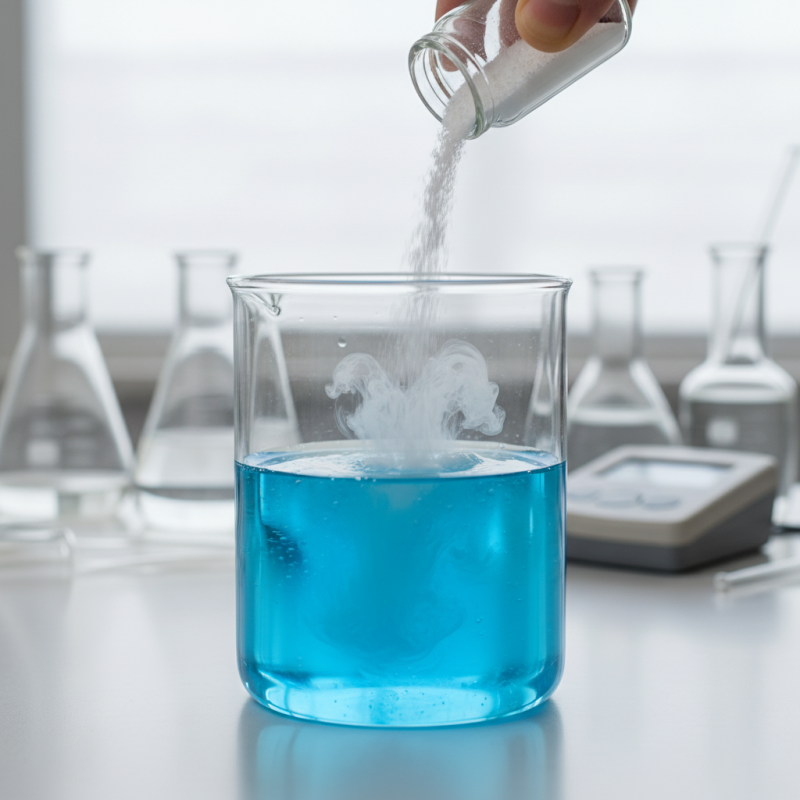
Hydroxypropyl Methylcellulose (HPMC) is a common ingredient in liquid detergents. Its chemical composition includes cellulose, propylene oxide, and methyl groups. This combination gives HPMC unique properties. It is a non-ionic, water-soluble polymer. This makes it effective at stabilizing formulations.
HPMC performs multiple roles in liquid detergents. One significant function is as a thickener. It improves the product's texture and feel. Users often prefer thicker detergents. Thicker forms can stick better to stains. Another role is stabilizing emulsions. It helps keep oil and water mixed. This ensures even cleaning power.
However, not everything about HPMC is perfect. Some formulations may not achieve the desired viscosity. Experimentation may be required to get the right balance. Concentration levels can lead to variations in performance. Too much HPMC can create challenges. Adjusting the ratios can demand time and effort. Nevertheless, understanding HPMC is key for creating effective liquid detergents.
The Role of HPMC in Enhancing Viscosity in Liquid Detergents
HPMC, or Hydroxypropyl Methylcellulose, is a key ingredient in liquid detergents. Its primary function is to enhance viscosity. A thicker product often feels more luxurious and can improve performance. Viscosity affects how a detergent clings to surfaces, allowing it to penetrate and break down stains.
When mixed into liquid formulations, HPMC helps maintain a consistent texture. This stabilizes the product, preventing separation. However, achieving the right balance of viscosity can be challenging. Too much HPMC can lead to an overly thick texture that hampers dispensing. Users may find it frustrating to pour or squeeze out.
The impact of HPMC on detergents goes beyond viscosity. It can influence cleaning efficiency and user experience. In some cases, the production process may require adjustments to optimize performance. Formulators need to reflect on their approach to make effective products. They must balance thickness with functionality for the best results.
Benefits of Using HPMC in Formulating Liquid Detergents
Hydroxypropyl Methylcellulose (HPMC) is a popular ingredient in liquid detergents. It plays a vital role in enhancing product performance. HPMC acts as a thickener, improving the viscosity of formulations. This makes the detergent easier to apply and use. Viscosity influences how well the product clings to surfaces. A thicker formula can improve cleaning efficacy.
One significant benefit of HPMC is its ability to stabilize emulsions. This ensures that the mixture remains homogenous over time. Liquid detergents that contain HPMC show improved shelf stability. It also enhances the product's sensory attributes, making it feel better on the hands. Its water-retention ability is impressive, which can help in maintaining moisture during washing.
However, HPMC isn't without its challenges. Achieving the right consistency can sometimes be tricky. Formulators may need to experiment with different concentrations. Overuse can lead to undesired thickness or impact the overall cleaning capability. The balance is essential for optimal performance. Striking this balance requires diligent testing and formulation adjustments. The journey to perfecting a liquid detergent with HPMC can be a complex yet rewarding process.
How HPMC Impacts Cleaning Performance and Stability
Hydroxypropyl methylcellulose (HPMC) is a cellulose derivative widely used in liquid detergents. Its role extends beyond mere thickening. HPMC enhances the cleaning efficiency of these products. According to a study published in the *Journal of Surfactants and Detergents*, HPMC can improve the removal of grease and stains by up to 30%. This makes it a valuable ingredient in formulations intended for tough cleaning tasks.
HPMC also stabilizes liquid detergents. It prevents separation of ingredients, maintaining a uniform consistency. Research indicates that products containing HPMC exhibit a longer shelf life. They remain stable under varying temperatures and conditions. However, not all formulations capitalize on its potential. Some may struggle with achieving the right balance between viscosity and cleaning power.
Additionally, HPMC impacts the overall user experience. When used correctly, it provides a pleasant texture and improved foaming characteristics. Nevertheless, if overused, it can lead to a sticky residue. Consumers may find themselves dissatisfied. Achieving the perfect formulation requires thoughtful consideration of ingredient interactions and desired outcomes. Data shows that formulation challenges are common, reminding manufacturers to reflect on their choices continuously.
What is HPMC and its Role in Liquid Detergents?
| Property | Description | Impact on Liquid Detergents |
| Thickening Agent | Enhances viscosity of liquid detergents. | Improves product consistency and enhances user experience. |
| Stability | Maintains product uniformity over time. | Prevents separation of ingredients, enhancing shelf life. |
| Film Forming | Forms a protective film on fabrics. | Enhances stain removal and prevents dirt redeposition. |
| Compatibility | Compatible with a variety of surfactants. | Facilitates formulation flexibility and performance. |
| Safety | Non-toxic and biodegradable. | Promotes eco-friendly product development. |
Environmental Considerations of HPMC in Detergent Products
HPMC, or Hydroxypropyl Methylcellulose, plays a crucial role in liquid detergents. This versatile compound serves as a thickener and stabilizer. It enhances the product's texture and ensures that ingredients blend seamlessly. However, its environmental implications can’t be overlooked.
One major concern is how HPMC breaks down. While it is biodegradable, the degradation process may vary depending on local conditions. Not all regions have the same waste management practices. Detergents can end up in water systems, impacting aquatic life. This raises questions about its long-term effects on ecosystems.
**Tips:** Choose eco-friendly products. Look for those with clear labeling on HPMC usage. Small choices can lead to significant changes in environmental impact. Avoid excessive use of any product, even if it’s biocompatible. Think critically about what goes down the drain. The footprint of our daily actions matters.
HPMC Usage in Liquid Detergents