What is the Future of Hydrogen Refueling Stations by 2026?
As we look toward 2026, the future of Hydrogen Refueling Stations (HRS) appears promising yet complex. Global hydrogen production is projected to reach 10 million tons by 2026, primarily driven by emerging technologies. This growth supports the necessity for a robust infrastructure of HRS.
Cities worldwide are adopting hydrogen as a clean energy alternative. For instance, Germany plans to install 1,000 HRS by the end of 2026. However, challenges such as cost, public acceptance, and technology integration remain. The stagnation in some regions shows the need for strategic investments and innovative policies.
Furthermore, the lack of universal standards hampers HRS development. Most HRS operate under different regulations. This inconsistency can lead to inefficiencies and increased costs. Addressing these issues is vital for the hydrogen economy's growth. The role of HRS is central to achieving clean energy goals, but the path ahead requires vision and commitment.
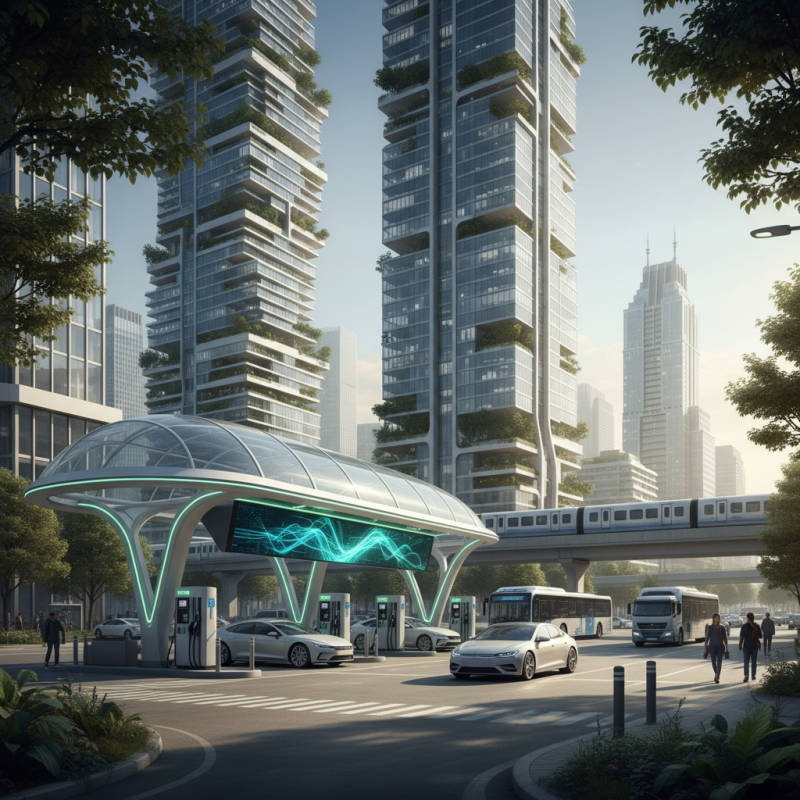
Current Landscape of Hydrogen Refueling Stations in 2023
In 2023, the landscape of hydrogen refueling stations is evolving. As of early this year, there are over 600 hydrogen refueling stations worldwide, according to the Hydrogen Council. This number represents a 25% increase compared to last year. However, this growth is uneven. Regions like California lead with the most stations, while many areas remain underserved.
Challenges persist in establishing hydrogen infrastructure. High costs associated with production and distribution hinder rapid expansion. A report from the International Energy Agency indicates that up to 90% of current stations are concentrated in a few countries. This limits the market's growth potential and raises questions about accessibility.
Tip: Exploring strategic partnerships can enhance station deployment. Local governments and private firms should collaborate for efficient funding. Innovative models like pop-up stations could also be a solution, addressing areas with limited access.
Moreover, the technology used in stations needs refining. Current refueling processes can take longer than traditional gasoline refueling. As hydrogen technology advances, the aim is to reduce this time. We may not see a perfect rollout by 2026, but improvements are essential for future adoption.
Technological Advances Driving Hydrogen Station Development
The future of hydrogen refueling stations looks promising, driven by technological advances. Innovations in electrolysis are making hydrogen production cleaner and more efficient. New methods utilize renewable energy sources, significantly reducing carbon emissions.
Station designs are also evolving. Modular stations are popping up in urban areas, making refueling more accessible. These systems can be deployed quickly, addressing the growing demand for hydrogen vehicles. However, challenges remain. The infrastructure needs more investment and public support to accommodate widespread use.
Safety is a key concern as well. While hydrogen is a clean fuel, it requires careful handling. New sensors and monitoring systems are being developed to ensure safety at refueling sites. Ongoing research seeks ways to minimize risks. The balance between innovation and safety will be crucial for the future of hydrogen stations.
Regulatory and Policy Framework Impacting Hydrogen Infrastructure
As hydrogen refueling stations grow in importance, regulatory and policy frameworks play a critical role. By 2026, the hydrogen market is set to expand significantly, driven by the need for cleaner energy solutions. A report from the Hydrogen Council highlights that global investment in hydrogen infrastructure could reach $300 billion by 2030. Governments are actively shaping policies to support this growth, but inconsistencies exist across regions.
Some countries have established clear guidelines for hydrogen production and distribution. However, many regions still lack cohesive regulatory frameworks. This inconsistency may hinder investments. For example, a study by the International Energy Agency notes that regulatory uncertainty can slow down the deployment of new technologies. Clearer policies could facilitate quicker adoption of hydrogen stations.
Moreover, funding initiatives are crucial for infrastructure development. The European Union plans to invest heavily in hydrogen infrastructure, but similar commitments are not universal. Some areas still struggle with outdated regulations that affect project timelines. This disparity raises concerns about equitability in access to hydrogen resources. Policymakers must recognize these challenges to realize the full potential of hydrogen stations by 2026.
Economic Viability and Investment Trends in Hydrogen Refueling
The future of hydrogen refueling stations is shaped by growing investment trends. Recent reports show that funding for hydrogen technologies is expected to reach $70 billion by 2026. This surge reflects increasing interest among investors and governments. Economic viability is a key focus in this transition. The cost of hydrogen production from renewable sources is projected to drop by 30% within the next few years.
However, challenges remain. Infrastructure development is slow. Many regions lack adequate refueling stations. A report estimates that 1,000 new stations are needed globally to support a widespread hydrogen economy. Currently, only a fraction of this number is operational. This raises questions about the pace of investment versus implementation.
Consumer acceptance is another hurdle. People are often hesitant to adopt new technologies. Education and awareness are critical. Initiatives must address the misconceptions surrounding hydrogen safety. Motors and fuel cells are being developed, but they take time to reach the market. Meeting 2026 goals requires not only funding but also strategic planning.
Future of Hydrogen Refueling Stations by 2026
This chart illustrates the projected growth in the number of hydrogen refueling stations worldwide from 2021 to 2026, alongside estimated economic viability and investment trends in the hydrogen sector.
Future Challenges and Opportunities for Hydrogen Refueling Stations by 2026
The future of hydrogen refueling stations by 2026 presents unique challenges and exciting opportunities. As the demand for clean energy grows, these stations must adapt to new technologies and infrastructure needs. Additionally, various regions might struggle to implement widespread networks. This could limit access and slow down the adoption of hydrogen vehicles.
Investment in research and development is crucial. Innovative solutions could enhance the efficiency of hydrogen production and distribution. Creating robust safety protocols will also be essential. Public perception of hydrogen safety remains a challenge. Educating consumers could help build trust in this alternative fuel.
Moreover, geographic disparities will shape the market. In some areas, hydrogen refueling stations may thrive. Meanwhile, others could face obstacles, such as regulatory hurdles and financial constraints. Collaboration between governments and private sectors can pave the way for sustainable growth in this industry. Embracing these complexities will be vital for a successful transition to hydrogen as a mainstream energy source.
What is the Future of Hydrogen Refueling Stations by 2026?
| Year | Number of Stations | Hydrogen Production Capacity (kg/day) | Investment ($ million) | Main Challenges | Opportunities |
| 2023 | 300 | 2000 | 500 | High costs, Limited infrastructure | Government incentives, Growing interest |
| 2024 | 400 | 3000 | 700 | Technology challenges, market acceptance | Partnerships with auto manufacturers |
| 2025 | 600 | 5000 | 900 | Regulatory hurdles, Public awareness | Expansion in transport sectors |
| 2026 | 800 | 8000 | 1200 | Supply chain issues, Competition from EVs | Technological innovations, Global initiatives |