Why Is Wastewater Flocculant Essential for Effective Water Treatment?
In today's world, water quality is a crucial concern. Wastewater treatment plays a vital role in maintaining this quality. One of the key components in successful wastewater treatment is the use of Wastewater Flocculants. These substances help gather small particles in water, making it easier to remove impurities.
Wastewater flocculants work by causing particles to clump together. This process is essential for effective water treatment. Without these flocculants, the treatment process can become inefficient. It might lead to higher levels of pollutants in the water. Additionally, the choice of flocculant greatly affects the overall treatment outcome.
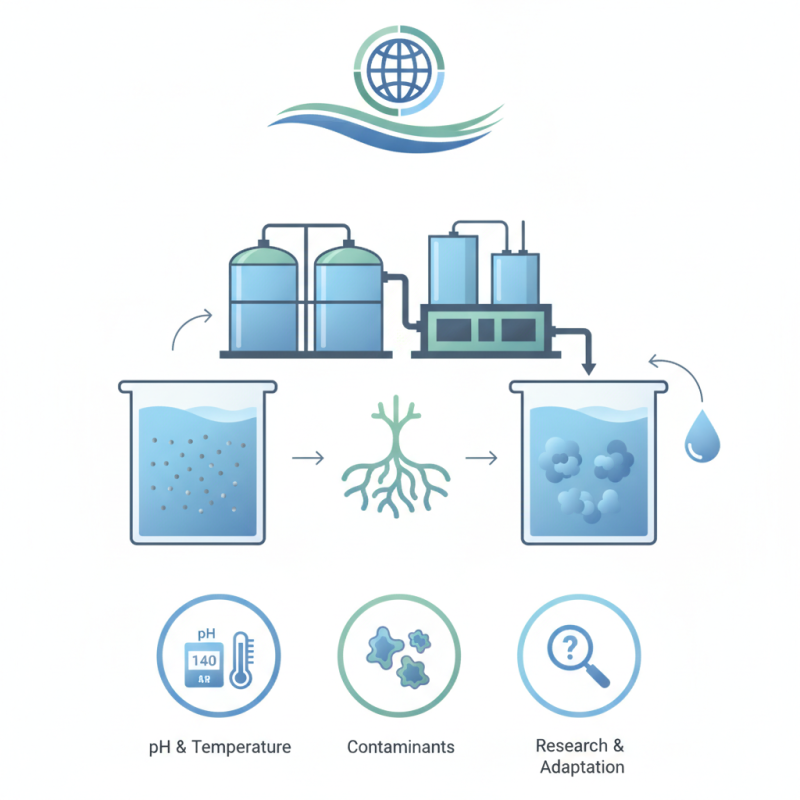
While wastewater flocculants are important, their use is not without challenges. The effectiveness can vary based on water quality and composition. Factors like pH, temperature, and contaminants impact their performance. Reflecting on this complexity encourages a deeper understanding of wastewater treatment systems. It highlights the need for continual research and adaptation in this field.
Role of Wastewater Flocculants in Water Treatment Processes
Wastewater flocculants play a crucial role in effective water treatment processes. These substances help remove suspended particles from water, enhancing the clarity and quality of the treated water. By promoting the agglomeration of particles, flocculants assist in forming larger clusters or "flocs." This makes it easier for these particles to be separated and removed during the treatment.
In municipal wastewater treatment, flocculants improve efficiency. They speed up the sedimentation process, allowing water treatment facilities to operate more effectively. However, not all flocculants are the same. Choosing the right type depends on the specific characteristics of the wastewater. It’s essential to understand the influent water's composition, as this can affect the treatment's overall success.
Tip: Always test your wastewater before selecting a flocculant. This helps ensure you pick the best option. Additionally, consider the environmental impact of the chosen flocculant. Using biodegradable options may be a better choice, contributing to sustainable practices. Monitoring floc formation in the treatment process can also provide insights into potential adjustments needed to optimize efficiency.
Balancing effectiveness with environmental responsibility is vital in modern water treatment efforts.
Types of Flocculants Used in Wastewater Treatment
Flocculants play a crucial role in wastewater treatment by helping to gather suspended particles. There are multiple types of flocculants used in this process. Each type serves a specific purpose based on the characteristics of the wastewater. One common type is organic flocculants, which are derived from natural sources. They are biodegradable and can be effective in treating a wide range of wastewater.
Inorganic flocculants are another option. These are often made from metal salts, like aluminum sulfate or ferric chloride. They can be very efficient but may lead to the generation of sludge. Some facilities struggle with this excess sludge disposal. Polymeric flocculants have gained popularity due to their versatility. They can work well in various pH conditions and with different wastewater compositions. However, they can also require careful handling to avoid environmental issues.
Choosing the right flocculant is critical. It involves understanding the specific needs of the treatment system. Facilities are often faced with challenges regarding efficiency and cost. It’s not always easy to find the perfect balance. Each type of flocculant has its own advantages and drawbacks. The effectiveness can vary widely, and continuous evaluation is essential for optimization.
Mechanisms of Flocculation in Water Purification
Flocculation plays a critical role in water purification. It involves the gathering of tiny particles into larger clusters, known as flocs. This process helps remove suspended solids from wastewater. Flocculants, often used in this process, attract and bind these particles together. The resulting flocs can be easily separated from the water.
The mechanisms behind flocculation are fascinating. As particles collide, they can acquire a charge that influences their behavior. Factors like pH and temperature can affect this interaction. When conditions are optimal, flocs grow large enough to settle out. However, this process can sometimes be inefficient. Not every attempt at flocculation leads to success. It may require adjustments and careful monitoring.
Even with advanced techniques, challenges remain. Some pollutants resist flocculation. This can lead to incomplete purification. It’s essential to continually assess the effectiveness of the treatment. Adjusting chemical dosages or revisiting the system design may be needed. Striving for improvement in flocculation can drive better outcomes in water treatment.
Benefits of Using Flocculants for Pollution Control
Flocculants play a vital role in wastewater treatment. They help to aggregate suspended particles into larger clusters, making it easier to remove them from water. This process is essential for maintaining clean water systems. According to a report by the Water Environment Federation, using flocculants can enhance sedimentation rates by up to 80%. This efficiency is crucial for effective water treatment.
Using flocculants brings numerous benefits for pollution control. They reduce turbidity and improve water clarity. In industrial processes, flocculants can decrease the chemical oxygen demand (COD) by more than 50%. Such reductions are significant, especially in meeting environmental regulations. Many facilities report cost savings on water treatment resources when they implement flocculant technology.
**Tip**: Choose the right flocculant based on your specific wastewater characteristics. Not every flocculant works for every scenario. Always conduct preliminary tests. Also, monitor the dosage. Too much can lead to waste and potential complications. Finding the sweet spot requires attention to detail. Remember, effective monitoring of your treatment process can lead to better results.
Benefits of Using Flocculants for Pollution Control
Challenges and Innovations in Flocculant Application
The application of wastewater flocculants presents challenges that require innovative solutions. In recent years, the effectiveness of flocculants in wastewater treatment has been scrutinized. For instance, studies reveal that up to 30% of flocculants can be inefficient due to improper dosage or poor selection. This inefficiency can lead to higher operational costs and compromised water quality.
Innovative approaches are emerging to tackle these issues. Advanced formulation techniques are being explored to enhance flocculant performance. Research shows that optimizing molecular weight and charge can improve flocculation rates significantly. Additionally, the use of biodegradable and eco-friendly flocculants is gaining attention. Reports indicate that these alternatives can reduce chemical toxicity and improve sludge quality.
However, challenges remain. The high cost of some innovative flocculants can hinder adoption. Furthermore, the fluctuating nature of wastewater compositions complicates flocculant selection. Operators must frequently adjust their strategies. Continuous monitoring and testing become essential in ensuring effective treatment outcomes. This dynamic environment pushes for further research and development in the field.