How to Choose the Right Manufacturing Chemical for Your Needs?
Choosing the right manufacturing chemical can be a complex task. Experts emphasize the importance of understanding specific needs. John Smith, a leading expert in the field, says, “The right chemical can make all the difference in production quality.” This insight highlights the necessity of careful selection.
Manufacturing chemicals play a vital role in various industries. From cosmetics to automotive parts, the right chemical ensures efficiency and effectiveness. However, the selection process can sometimes feel overwhelming. Factors such as compatibility, safety, and cost must all be considered.
In an industry filled with options, many manufacturers often overlook important details. Not every chemical works seamlessly with existing processes. Some choices may lead to unexpected challenges. Reflecting on these decisions is crucial for future success. The right manufacturing chemical doesn't just improve output; it also safeguards your operation.
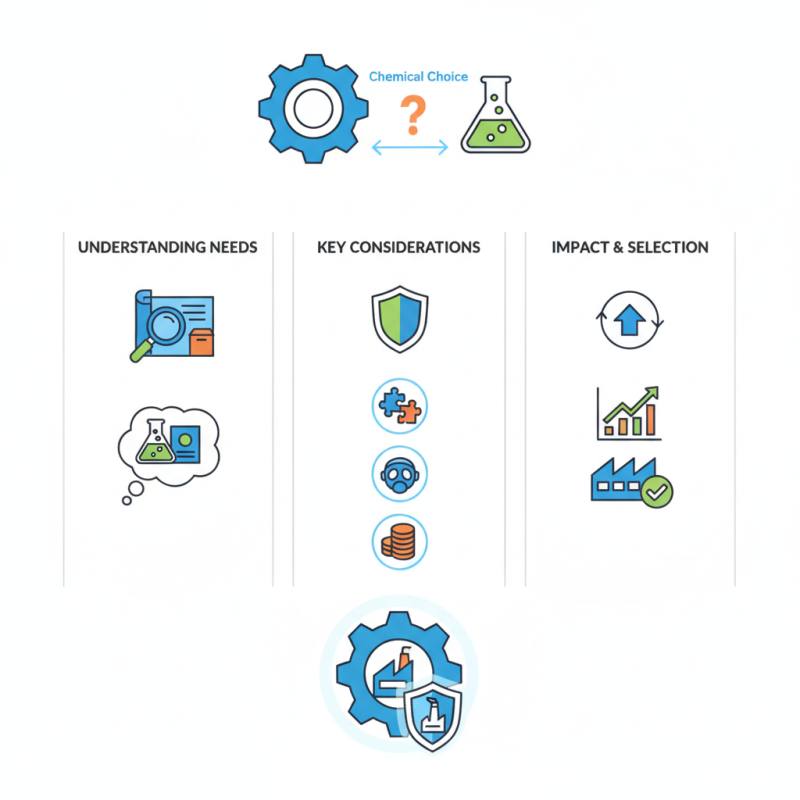
Understanding Your Manufacturing Process and Its Chemical Requirements
Choosing the right manufacturing chemical starts with understanding your process. Each stage of production may have unique chemical needs. This knowledge is vital for efficiency and quality. Evaluate the specific reactions and interactions taking place. Misjudgments here can lead to costly errors or safety hazards.
Tips: Always consult with your team. Their insights can highlight potential risks and advantages. Testing small batches can also help identify issues before full-scale production. Don’t overlook the importance of regulatory compliance. It can affect your choice significantly.
Knowledge of compatibility is crucial. Some chemicals may not mix well, leading to undesirable reactions. For example, check if a cleaning agent will affect the properties of your materials. Regular analysis and adjustments are needed. This can be an ongoing process. Remain flexible in your approach to sourcing. It may not always go as planned. Review your choices regularly to ensure they meet current needs.
Identifying Key Properties of Chemicals Crucial for Your Application
When choosing the right manufacturing chemical, understanding its key properties is vital. Different applications require different chemical characteristics. For instance, solubility can significantly impact effectiveness. A highly soluble chemical may work better in certain reactions, while others might need low solubility. Additionally, the pH level is crucial. Some processes thrive in acidic environments, while alkaline conditions may hinder productivity.
Another important factor is the thermal stability of the chemical. Some materials break down at higher temperatures, affecting their efficacy. Consider the temperature range of your application. It's essential to verify compatibility with other substances. If chemicals don’t get along, reactions may fail or produce harmful byproducts.
The process may seem straightforward, but it's complex. Testing and research often reveal unexpected challenges. You might think one chemical is ideal, only to discover issues later. This can lead to costly delays. Always keep an open mind and be ready to pivot if your selected material doesn't perform as expected. Engaging with suppliers and experts can provide additional insights, helping refine your choices.
Evaluating Suppliers and Their Product Quality Certifications
When evaluating suppliers, checking their product quality certifications is crucial. According to industry reports, approximately 70% of manufacturing mishaps stem from using subpar chemicals. Hence, verification of certifications like ISO 9001 or ASTM standards can mitigate risks significantly. Suppliers should readily share documentation that ensures product reliability.
Additionally, consider auditing the supplier's facilities. Many companies overlook this step. Physical inspection helps gauge cleanliness and operational efficiency. A lack of proactive measures in quality assurance can lead to serious complications. Reports show that up to 30% of suppliers have inadequate practices that may compromise your production process.
Engage with industry peers to gather insights about supplier performance. Networking can reveal valuable information that certifications alone cannot. It's also essential to evaluate the supplier's track record in customer service. Complaints regarding product inconsistency can be a red flag. Suppliers with frequent quality issues often face larger operational challenges. A thoughtful approach to supplier evaluation can enhance your manufacturing integrity.
Analyzing Safety Data Sheets (SDS) for Chemical Selection
When choosing manufacturing chemicals, analyzing Safety Data Sheets (SDS) is crucial. These documents provide essential information about safety, handling, and environmental impact. Understanding the SDS can significantly influence your chemical selection process.
Pay attention to the hazard identification section. Look for signal words like "Warning" or "Danger". These indicate the level of risk associated with the chemical. It’s important to consider what those risks mean for your specific application. Some chemicals may appear safe under certain conditions, but their risks need careful evaluation.
Tip: Cross-reference the SDS with industry standards. This can help confirm that you are adhering to regulations. Also, consider the exposure limits listed. Exposure to even low concentrations can have cumulative effects over time.
Some chemicals may seem ideal at first glance. Yet, once you delve into the SDS, you might find unexpected hazards. A surfacing risk could be a red flag for your team.
Regularly review and update your chemical inventory based on findings from the SDS.
Tip: Engage your team in discussions about chemical safety. A shared understanding can significantly enhance safety practices. Making informed choices about manufacturing chemicals safeguards not only your products but also the well-being of your team.
Assessing Cost-Effectiveness and Environmental Impact of Chemicals
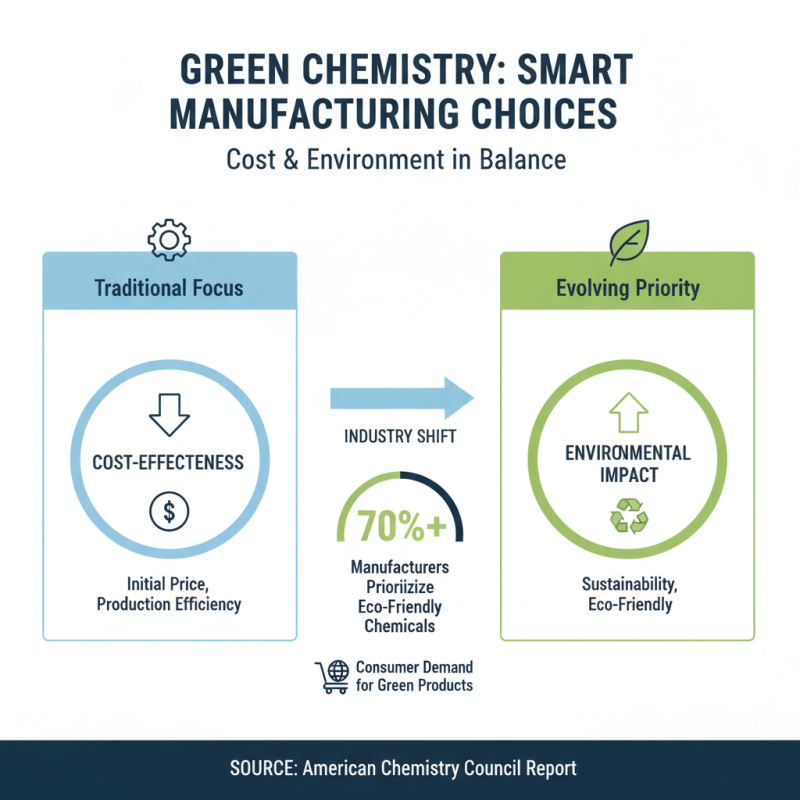
Choosing the right manufacturing chemical involves a careful assessment of cost-effectiveness and environmental impact. According to a report by the American Chemistry Council, businesses increasingly prioritize sustainability. Over 70% of manufacturers now consider the environmental impacts of their chemicals. This shift reflects growing consumer demand for green practices.
Cost-effectiveness isn't just about price. It also relates to performance and longevity. A study published in the Journal of Cleaner Production shows that using greener alternatives can lead to a 25% reduction in waste disposal costs. However, some companies still cling to traditional options due to initial price perceptions. This can lead to higher long-term costs.
Tips: Evaluate a chemical’s lifecycle. Consider its sourcing, production, and disposal impacts. Engage with suppliers about their sustainability practices. Ensure clarity in the total costs, not just upfront expenses. Remember, the cheapest option upfront may lead to higher costs down the road.
Another aspect is regulatory compliance. Chemicals that seem cost-effective might incur fines if they don't meet environmental regulations. A recent industry survey revealed that 40% of companies faced unexpected costs due to compliance issues. Therefore, it’s essential to prioritize safety and environmental standards over initial savings.