

Careers

Why Choose Ceremonial Matcha for Global Sourcing?
Why choose Ceremonial Matcha for global sourcing? The answer begins with more than its vivid green color. High-quality matcha can offer a refined sensory experience, dependable product positioning, and strong appeal across specialty beverage markets. Its soft umami, gentle sweetness, and fine texture can transform a quiet tea ritual into a memorable customer experience.
Quality starts at the source. Responsible suppliers should provide clear information about cultivar, growing region, harvest period, shading methods, and milling practices. They should also support traceability, contaminant testing, food safety documentation, and stable export procedures. A careful buyer may request samples from different lots. The difference can be visible in the cup: bright jade color, fresh aroma, and a smooth finish usually suggest careful handling. Still, sourcing decisions require caution.
The phrase “ceremonial grade” is not universally standardized worldwide. A polished label can mislead. Buyers should evaluate the actual tea, not only the marketing language. Sensory testing, supplier audits, transparent certificates, and repeated batch reviews create stronger confidence. Packaging also matters. Light, oxygen, heat, and moisture can quickly weaken matcha’s color and aroma during international transport. These details are easy to overlook. They should not be.
For global buyers, Ceremonial Matcha can support premium menus, retail products, and culturally respectful tea experiences. However, responsible sourcing also means recognizing limitations. Crop conditions change. Flavor profiles vary. No supplier can promise identical results forever. A reliable partnership depends on honest communication, practical quality controls, and a willingness to improve with every shipment.
What Ceremonial Matcha Is and How It Differs from Other Grades
Why Choose Ceremonial Matcha for Global Sourcing?
What Ceremonial Matcha Is and How It Differs from Other Grades
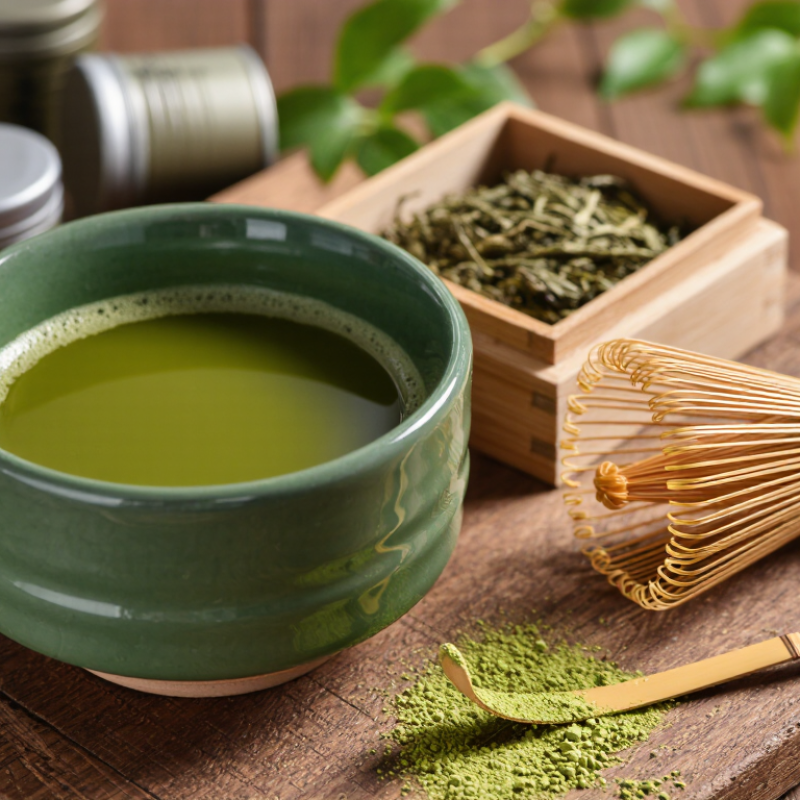
Ceremonial matcha is finely milled green tea powder made from carefully selected leaves. Producers usually shade the tea plants before harvest. This can increase chlorophyll, soften bitterness, and create a brighter green color. The finest leaves are often picked early in the season. Stems and veins are removed before slow stone milling. The result should feel smooth, fresh, and naturally sweet on the tongue. It should not taste heavily roasted or sharply bitter.
However, “ceremonial” is not a fully standardized global grade. Suppliers may use the term differently. Buyers should examine harvest timing, growing region, cultivar, processing method, and laboratory testing. Compared with culinary matcha, ceremonial matcha is usually smoother and more delicate. Culinary grades often have stronger bitterness and work better in lattes, desserts, or sauces. Yet price alone proves little. Even experienced buyers can misjudge quality from color. A vivid green powder may still taste flat or stale. Sensory review remains essential.
Tips: Request a current sample. Whisk it with cool water first. Check aroma, foam, texture, and aftertaste. Ask how the powder was stored and transported. Compare samples under the same conditions. Keep written tasting notes. Small details matter.
Why Choose Ceremonial Matcha for Global Sourcing? - What Ceremonial Matcha Is and How It Differs from Other Grades
| Evaluation Dimension | Ceremonial-Style Matcha | Premium or Culinary Matcha | Global Sourcing Implication |
|---|---|---|---|
| Definition | A quality description commonly used outside Japan for matcha intended to be whisked and consumed on its own. | Matcha selected for everyday drinking, lattes, desserts, or other recipes; quality can vary widely. | “Ceremonial grade” is not a universally regulated international classification. Buyers should define measurable specifications instead of relying on the label alone. |
| Tea plant and raw material | Made from shade-grown tea leaves that are processed into tencha and then stone-ground or otherwise finely milled. | May also be made from tencha, but the raw material, harvest timing, cultivar, and processing standard may differ. | Request documentation for cultivar, growing region, shading period, harvest season, tencha processing, and milling method. |
| Leaf selection | Typically associated with young, tender leaves and careful removal of stems and veins before grinding. | May use a broader range of leaf material, depending on the intended application and target price. | A written leaf-selection specification can improve consistency between lots and suppliers. |
| Color | Usually vivid green to deep green when fresh and properly stored. | May range from bright green to more muted green or yellow-green, depending on raw material, freshness, and storage. | Color should be evaluated together with sensory testing; color alone does not prove quality or authenticity. |
| Flavor profile | Commonly sought for smooth umami, gentle sweetness, fresh green notes, and relatively low harshness when prepared correctly. | Can offer stronger bitterness, astringency, roasted notes, or a more pronounced tea character, depending on the grade and use. | Use blind cupping or whisking tests with a defined water temperature and dosage before approving a supplier. |
| Texture and solubility | Very fine particles designed to remain suspended in water after whisking; a smooth mouthfeel is generally preferred. | May be slightly more robust in texture, especially when optimized for mixing with milk, sugar, or food ingredients. | Check particle-size consistency, suspension behavior, sedimentation, and performance in the final application. |
| Recommended preparation | Traditionally whisked with hot, not boiling, water and consumed without milk or sweeteners. | Often used in lattes, smoothies, confectionery, bakery products, sauces, or brewed-style beverages. | Select the grade according to the product formula, serving style, and required flavor intensity rather than price alone. |
| Caffeine and L-theanine | Contains naturally occurring caffeine and L-theanine because the powdered leaf is consumed. Exact levels vary by cultivar, shading, harvest, and serving size. | Also contains caffeine and L-theanine; grade names do not reliably predict exact concentrations. | Do not make fixed caffeine claims without laboratory analysis. Specify testing methods and acceptable ranges when required. |
| Freshness and oxidation sensitivity | Freshness is especially important because exposure to oxygen, heat, light, and moisture can reduce color and sensory quality. | Storage stability still matters, although the intended application may mask some flavor changes. | Define packaging, oxygen protection, lot dating, storage temperature, and minimum remaining shelf life at delivery. |
| Quality-control priorities | Sensory profile, color, aroma, texture, foreign matter, microbiological safety, pesticide residues, heavy metals, and authenticity. | The same safety controls apply, with additional focus on functional performance in the intended food or beverage application. | Request a certificate of analysis, traceability records, allergen statement, origin information, and independent verification where appropriate. |
| Best-fit product positioning | Premium straight matcha, tasting sets, traditional preparation, high-end hospitality, and products where color and smoothness are central. | Lattes, ready-to-drink beverages, culinary mixes, desserts, bakery products, and high-volume foodservice. | A segmented sourcing strategy can use ceremonial-style matcha for premium lines and other specifications for blended or culinary products. |
| Key buyer takeaway | Choose it when the final product depends on a clean, smooth, vibrant, and naturally umami-forward cup. | Choose it when blending, cost efficiency, flavor strength, or recipe compatibility is more important than drinking the matcha straight. | For international procurement, compare verified specifications, sample performance, compliance documents, supply continuity, and total landed cost. |
Note: “Ceremonial,” “premium,” and “culinary” are commonly used market terms rather than universally standardized legal grades. Actual quality should be confirmed through documented specifications, sensory evaluation, laboratory testing, and supply-chain traceability.