10 Best High Purity Chemicals for Your Industrial Applications?
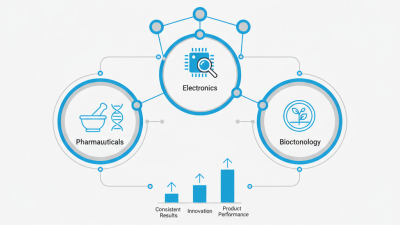
In the world of industrial applications, high purity chemicals play a crucial role. These substances are essential for achieving high performance in various processes. Industries such as pharmaceuticals, electronics, and food processing rely on these chemicals for their products' quality and safety.
Choosing the right high purity chemicals can be challenging. Not all chemicals meet the stringent purity standards required for demanding applications. It's vital to understand specific needs and choose suppliers wisely. Quality should never be compromised, as impurities can lead to failures and costly setbacks.
While the focus is on finding the best products, awareness of limitations is necessary. Not every chemical product on the market is suitable for every application. Buyers must reflect on their choices and seek guidance when needed. In a rapidly evolving market, staying informed about high purity chemicals is key to success.

Understanding High Purity Chemicals and Their Industrial Significance
High purity chemicals are crucial for various industrial applications. Their significance lies in their ability to produce reliable results, especially in sensitive processes. When using these chemicals, even minor impurities can lead to significant issues. This is a key reason why industries prioritize high purity standards.
One important tip: always verify the certification of the chemicals you intend to use. Not all suppliers maintain the same standards. The lack of consistency can impact the quality of your final products. Take the time to examine the purity levels listed on the documentation. If the information seems vague, seek clarity.
Another consideration is storage. High purity chemicals require careful handling. A poorly cleaned storage area can introduce contaminants. It’s also worth noting that some chemicals may degrade over time. Regularly check the shelf life and proper storage conditions. Ensure you are consistently utilizing what you have on hand.
Managing these chemicals involves understanding their properties and risks. Sometimes, companies may overlook safety data sheets. Rushed decisions can lead to complications later. Always refer to these documents for proper handling techniques. Being diligent today can prevent costly mistakes tomorrow.
10 Best High Purity Chemicals for Your Industrial Applications
| Chemical Name |
Purity (%) |
Common Uses |
Industry |
| Acetic Acid |
99.9 |
Production of plastics, synthetic fibers, |
Chemical |
| Sulfuric Acid |
98.0 |
Fertilizers, petroleum refining |
Agriculture, Energy |
| Hydrochloric Acid |
37.0 |
Metal cleaning, pH control |
Manufacturing |
| Sodium Hydroxide |
99.0 |
Soap, paper, and detergent production |
Manufacturing |
| Ammonium Nitrate |
99.5 |
Fertilizer, explosives |
Agriculture, Mining |
| Potassium Chloride |
99.0 |
Fertilizer, food industry |
Agriculture, Food |
| Calcium Carbonate |
99.0 |
Additive in plastics, paper |
Manufacturing |
| Ethyl Alcohol |
99.5 |
Solvent, disinfectant |
Pharmaceutical, Cleaning |
| Urea |
99.0 |
Fertilizer, animal feed |
Agriculture |
Criteria for Selecting the Best High Purity Chemicals
Choosing the right high purity chemicals for industrial applications is crucial. Various factors come into play when making this selection. First, consider the chemical's purity level. This determines its effectiveness in sensitive processes. A purity level of 99.9% is often ideal, but not always necessary.
Compatibility with existing materials is another important factor. Some chemicals can react adversely with certain substances. This could lead to contamination or unexpected reactions. Testing small samples beforehand can help identify any potential issues.
Also, availability and supply reliability matter. A chemical might meet your needs but could be hard to obtain. Supply chain interruptions can lead to significant production delays. Lastly, understanding the handling and storage requirements is vital. Improper storage can compromise chemical integrity. Thus, it's essential to weigh these criteria carefully.
10 Best High Purity Chemicals for Your Industrial Applications
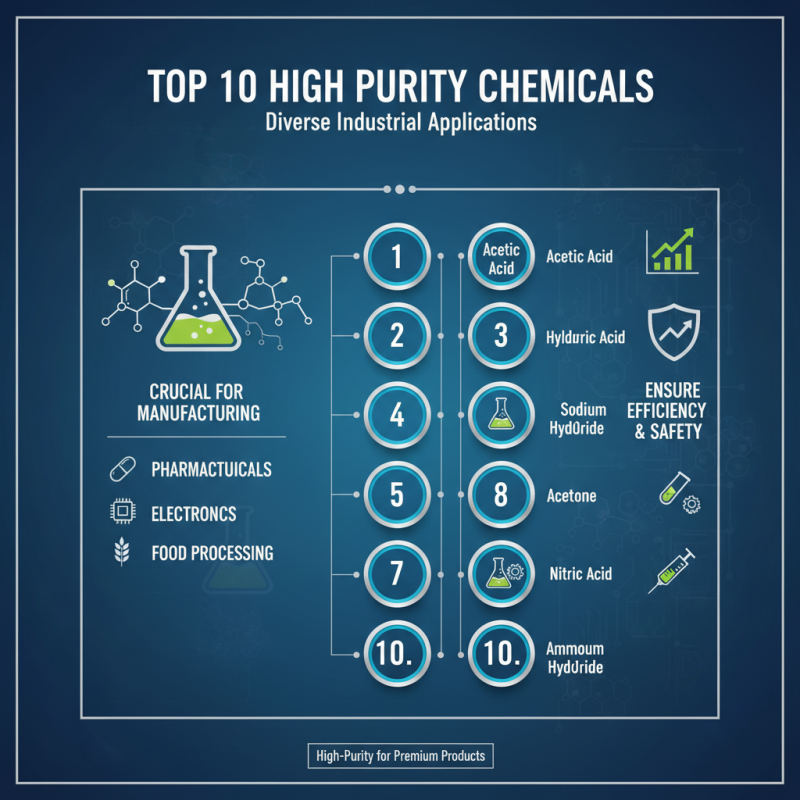
Top 10 High Purity Chemicals for Diverse Industrial Applications
In various industrial applications, high purity chemicals play a crucial role. They are essential for specific manufacturing needs. Industries like pharmaceuticals, electronics, and food processing often require these chemicals for their products. High purity levels ensure efficiency and safety in production.
One common high purity chemical is sulfuric acid. It is widely used in battery manufacturing. However, handling this substance requires strict safety protocols. Another example is hydrogen peroxide. This chemical is a powerful oxidizer used in disinfection processes. While effective, its concentration level can pose risks if not managed carefully.
Industries often seek high purity solvents. They help in extraction processes and enhancing reaction rates. Yet, sourcing the right solvent can be challenging. Purity standards vary across regions, leading to inconsistencies. This creates potential setbacks in production timelines. Understanding these challenges is vital for effective usage in industrial applications.
Applications of High Purity Chemicals in Various Industries
High purity chemicals play a crucial role across various industries. In pharmaceuticals, they ensure the efficacy and safety of drugs. Synthetic processes rely on these chemicals to avoid contaminants, which can have disastrous effects. Each batch must meet strict quality standards. Any deviation can lead to costly recalls or regulatory issues.
In electronics, high purity chemicals are essential for manufacturing semiconductors. They help produce components with precision. Even minor impurities can affect performance and lifespan. The demand for quality and reliability is ever-growing. High purity chemicals also support the development of renewable energy technologies. They provide the stable foundations required for efficient production processes.
While many industries strive for excellence, challenges remain. The sourcing of high purity chemicals can sometimes lead to difficulties. Variability in supply quality may persist, creating potential risks. Continuous improvement and vigilance in processes are necessary. As industries evolve, so too must the strategies for maintaining chemical purity and reliability.
Safety Measures and Best Practices for Handling High Purity Chemicals
Handling high purity chemicals safely is crucial in industrial applications. These substances often require specialized precautions. Proper storage is essential. Ensure containers are sealed tightly and stored in cool, dry environments. Labeling each chemical clearly aids in easy identification. This practice reduces the risk of accidental exposure.
Tips: Always wear appropriate personal protective equipment. This includes gloves, goggles, and lab coats. Even minor spills can lead to hazardous situations. Have spill kits readily available to address unexpected incidents. Regular training on proper handling practices is beneficial. It helps workers stay updated on safety protocols.
Incorporating safety measures is vital. Regularly inspect equipment and storage areas. Check for leaks or signs of degradation. If a chemical is past its expiration date, dispose of it according to regulations. Keeping a detailed inventory helps in tracking and managing these materials effectively. It’s easy to overlook routine checks, but they are critical. Be proactive in maintaining a safe workspace.