2026 Top Trends in Industrial Chemistry Innovations and Applications?
Industrial chemistry is rapidly evolving. Innovations are transforming various sectors, from pharmaceuticals to materials science. In 2026, we can expect significant trends that impact everyday life.
One key trend is the rise of sustainable practices. Companies are shifting towards greener processes. This change is necessary for environmental protection. However, challenges remain. Many firms struggle to balance innovation with sustainability. Incorporating renewable resources may be costly initially. Yet, the long-term benefits can outweigh these concerns.
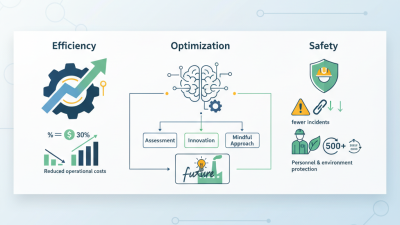
Another trend involves advanced technologies. Data analytics and automation are revolutionizing manufacturing processes. These tools enhance efficiency and reduce waste. However, reliance on technology can lead to vulnerabilities. Cybersecurity risks pose real threats to industrial chemistry. Therefore, companies must remain vigilant as they embrace new solutions. Overall, the future of industrial chemistry holds promise, but it is also a complex landscape that requires careful navigation.
Emerging Green Chemistry Practices Transforming Industrial Processes
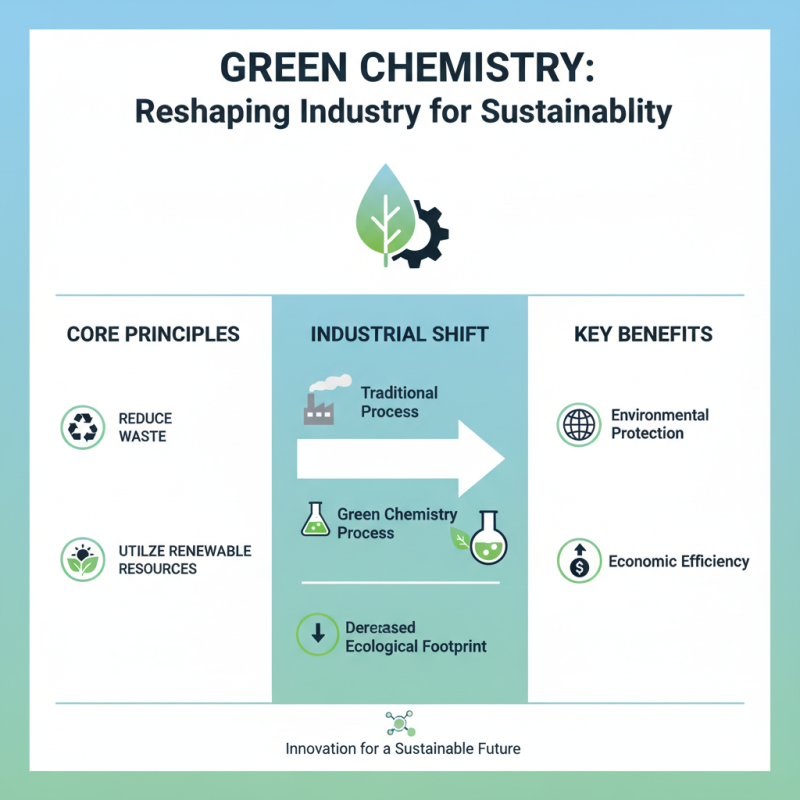
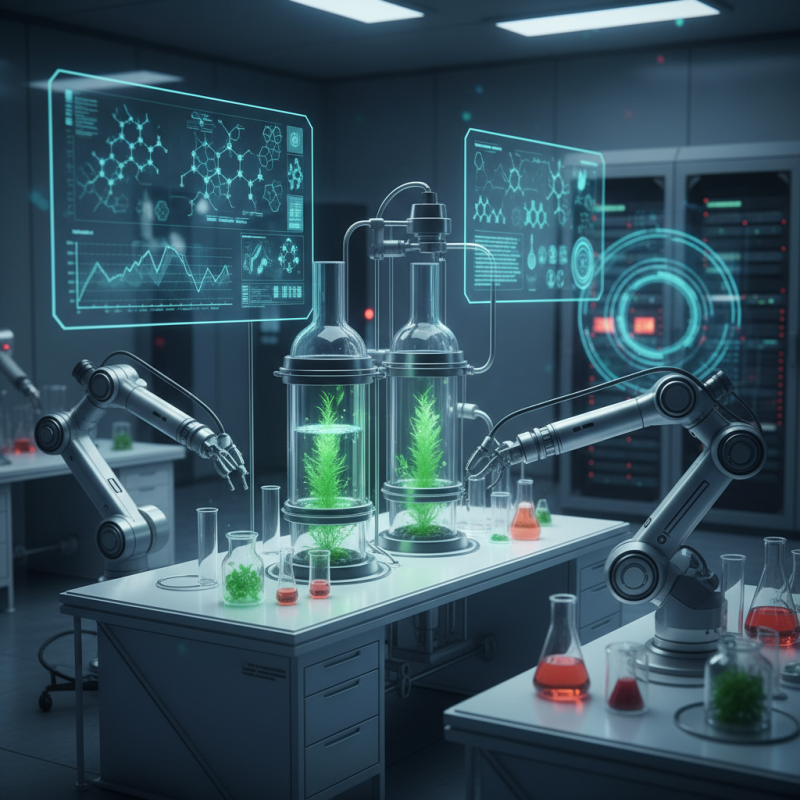
Emerging green chemistry practices are reshaping industrial processes. These innovations are not just trends; they represent a shift in how industries approach sustainability. Companies are now focusing on reducing waste and using renewable resources. This transformation is essential for reducing ecological footprints.
One popular method involves catalysis. New catalysts can accelerate reactions while using less energy. This means lower emissions and reduced costs. Another approach is the use of biodegradable materials. Products made from renewable sources are replacing traditional plastics. These materials break down more easily, minimizing environmental impact.
**Tips:** Start by evaluating your current processes. Identify areas where waste can be reduced. Consider using local resources to cut transportation emissions. This simple step can lead to significant improvements. Also, engage with your team. Foster a culture of sustainability. Encourage everyone to share ideas. Together, you can innovate and make meaningful changes.
As industries adopt these practices, it’s crucial to reflect on their effectiveness. Are we doing enough? There may be hidden costs to consider. Not every green option is perfect. It’s essential to continuously review and adapt. The journey towards a greener future is ongoing and filled with challenges.
Advancements in Catalysis: Enhancing Reaction Efficiency and Selectivity
Catalysis plays a crucial role in industrial chemistry, especially in enhancing reaction efficiency. With ongoing advancements, new catalysts are developed to increase selectivity in chemical reactions. This improvement can significantly reduce waste and costs in manufacturing processes. Industries are keenly exploring novel materials that promise better performance under various conditions.
Recent studies focus on bio-inspired catalysts. These materials mimic nature’s processes and offer impressive efficiency. Researchers are experimenting with different shapes and compositions. This experimentation creates opportunities for more effective reactions. However, there are challenges. Not all biocatalysts perform well in industrial settings. Scaling up from lab to production can be difficult.
Moreover, the search for sustainable catalysts continues. These eco-friendly options aim to reduce carbon footprints. Yet, they often struggle with performance issues in traditional applications. The balance between efficiency and sustainability remains a critical area for reflection and development. It’s vital to keep pushing the boundaries while recognizing the limitations of current technologies.
Biotechnology Innovations Driving Sustainable Chemical Production
Biotechnology is transforming the landscape of industrial chemistry. Innovations in this field are paving the way for sustainable chemical production. A recent report by the World Economic Forum highlights that biotech processes can reduce greenhouse gas emissions by up to 50% compared to traditional methods. This reduction is significant in our fight against climate change.
One prominent application involves microorganisms in bio-refineries. These tiny organisms can convert organic waste into valuable chemicals. In fact, the global bio-refinery market is projected to reach $2.5 billion by 2027. However, challenges remain in scaling these technologies. The transition from lab to industrial scale often encounters technical and economic hurdles.
Moreover, the biotechnology sector still grapples with public perception. Many consumers question the safety and effectiveness of engineered products. This skepticism can hinder acceptance of new chemical alternatives. Addressing these concerns is vital for the industry's growth. Embracing transparency and education can help mitigate fears and foster a better understanding of biotechnological advancements.
2026 Top Trends in Industrial Chemistry Innovations
This chart presents the projected growth in various sectors of industrial chemistry driven by biotechnology innovations aimed at sustainable chemical production by 2026.
Integration of AI and Machine Learning in Chemical Research and Development
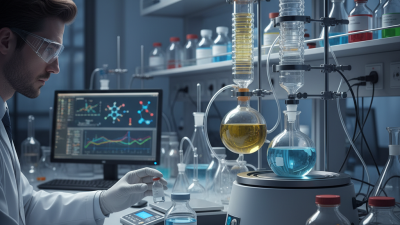
The integration of AI and machine learning in chemical research is transformative. These technologies can analyze vast data sets quickly. They identify patterns that humans might overlook. For instance, predictive modeling facilitates the discovery of new compounds. Researchers can now simulate reactions with more accuracy. This efficiency accelerates the development process significantly.
However, this rapid integration is not without challenges. Data quality remains a concern. Machine learning algorithms depend on high-quality data. If the input data is flawed, results will be unreliable. There’s also the issue of interpretability. Many AI models act as black boxes. Understanding their decision-making processes can be difficult for chemists, leading to frustration.
Moreover, ethical considerations must be addressed. As AI takes a larger role, the responsibility for mistakes needs clarity. Skills training for chemists in data science is necessary, but not yet widespread. Many researchers feel overwhelmed by these expectations. Balancing traditional chemical methods with modern technology is a journey filled with learning. The potential is vast, but the path requires careful navigation.
New Material Developments: Smart Polymers and Nanomaterials Applications
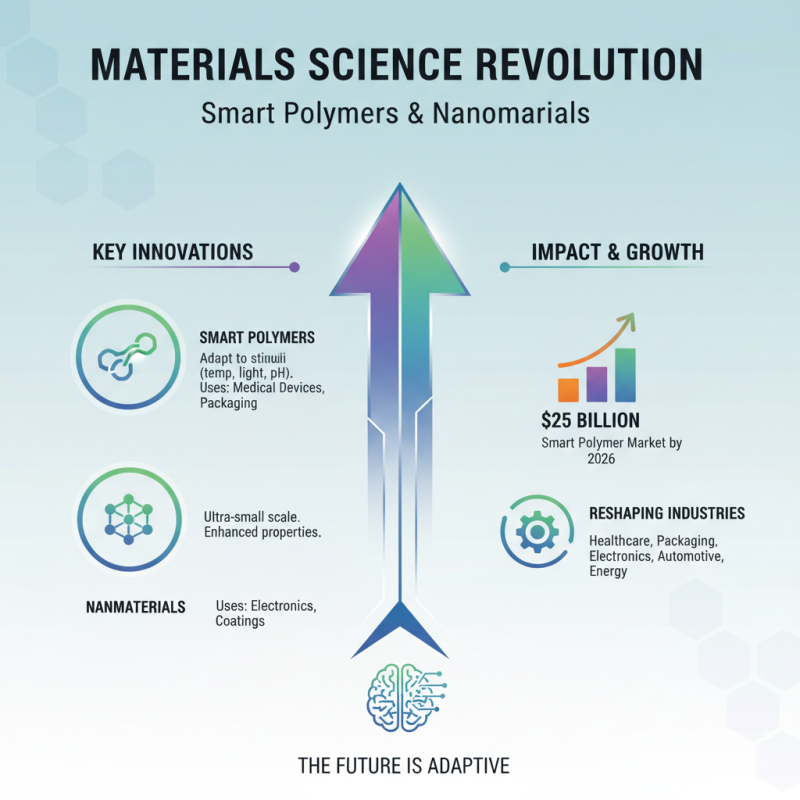
The landscape of material science is changing rapidly. Smart polymers and nanomaterials lead the charge. These innovations are set to reshape various industries. For instance, smart polymers can adapt their properties in response to environmental stimuli. They can be used in medical devices and packaging materials. Reports suggest the smart polymer market could reach $25 billion by 2026.
Nanomaterials, on the other hand, offer extraordinary properties due to their small size. They enhance the strength of materials without adding weight. Applications are vast: from aerospace to consumer electronics. The global nanomaterials market is expected to grow at a rate of 17% annually, indicating strong demand.
Tips: When exploring these materials, consider sustainability. Not all smart polymers are environmentally friendly. Research is vital to find balance. Some innovations may not deliver the expected results. It's essential to stay informed about the latest studies and findings. The potential of these materials is huge, but caution is necessary.