2026 Top Trends in Chemical Industry Manufacturing and Their Impact
The chemical industry manufacturing sector is undergoing significant changes. As we look ahead to 2026, several key trends are emerging. Dr. Emily Carter, a leading expert in this field, states, "Innovation in chemical manufacturing is crucial for sustainability and efficiency." This insight reflects the industry's drive toward more sustainable practices.
One noticeable trend is the increasing integration of digital technologies. Automation and AI are transforming production processes. Companies are embracing smart manufacturing to enhance efficiency. This shift is not without challenges. Many firms struggle to adapt to these rapid changes. Employees need new skills to work alongside advanced technologies.
Another vital area is sustainability. Environmental concerns are shaping how chemicals are produced. There is a growing demand for greener alternatives. This push can lead to higher costs, creating a potential roadblock for companies. Balancing innovation with sustainability remains a complex issue. The future of chemical industry manufacturing hinges on how these trends evolve and the responses from industry leaders.
Emerging Technologies Shaping the Future of Chemical Manufacturing
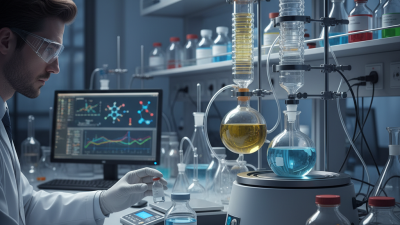
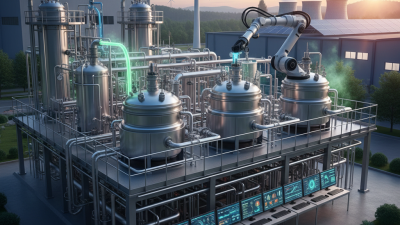
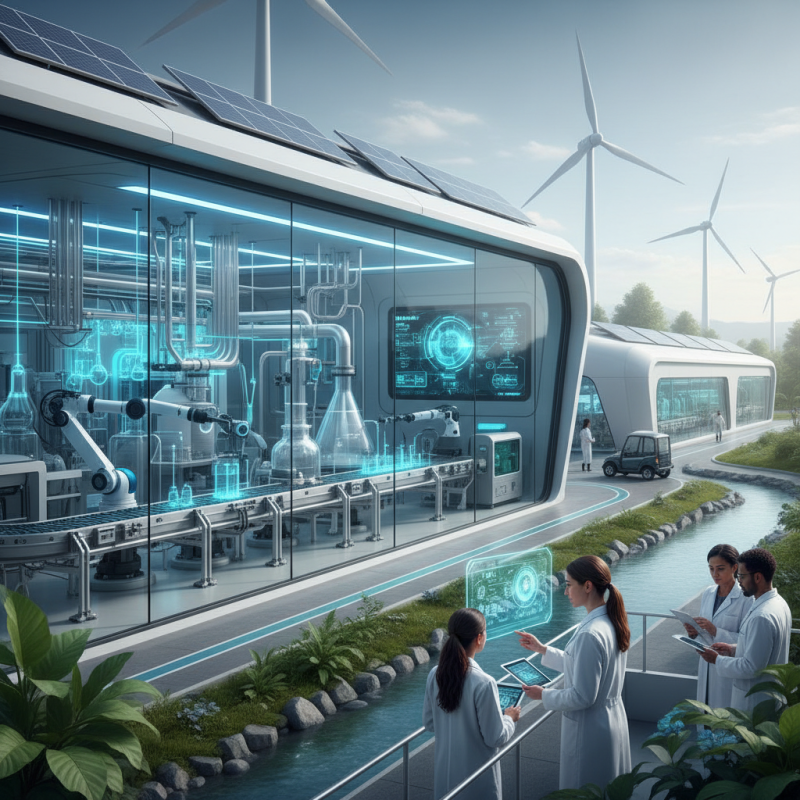
The chemical manufacturing sector is experiencing a major transformation. Emerging technologies are reshaping the landscape. Advances in automation are streamlining processes. These innovations increase efficiency and reduce costs. Robotics in production lines help minimize human error. This growing reliance on machines raises questions about workforce skills.
Data-driven approaches also play a crucial role. Big data analytics allows for better decision-making. Real-time monitoring helps optimize operations. However, companies face challenges interpreting vast amounts of data. Integrating these technologies requires strategic planning. Many businesses are still stuck in traditional practices.
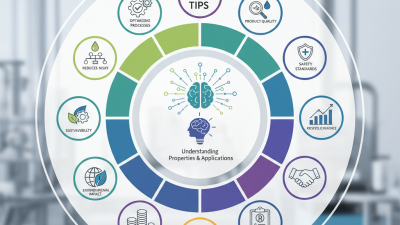
Tips for navigating these changes include investing in training. Upskilling employees must be a priority. Additionally, explore partnerships with tech firms for better insights. Embrace flexibility in adapting to new tools. Finding the right balance between automation and human input is essential. Continuous reflection on progress will guide future innovations.
Sustainability Trends in Chemical Production for 2026
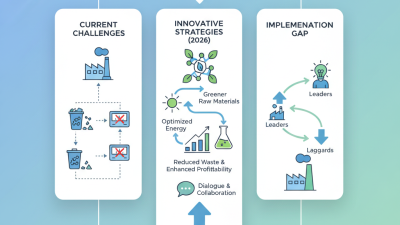
As we look toward 2026, sustainability in chemical production is becoming increasingly crucial. The industry faces pressure to reduce environmental impact. Existing production methods often contribute significantly to pollution and waste. Many manufacturers are exploring greener alternatives, yet challenges remain.
The shift towards sustainable practices involves new technologies. Biobased feedstocks are gaining attention, but their scalability is uncertain. The adoption of circular economy principles encourages recycling and reuse, yet implementation is slow. Workers and companies must adapt to these changes. It requires training and investment, which can strain resources.
Moreover, regulatory frameworks are evolving. Compliance costs may rise, creating tension for smaller firms. The push for greener production methods also risks disrupting supply chains. Companies must rethink traditional processes to minimize ecological footprints while maintaining efficiency. This balance will define the future of the chemical industry.
2026 Top Trends in Chemical Industry Manufacturing
Impact of Digital Transformation on Chemical Industry Efficiency
Digital transformation is reshaping the efficiency of the chemical industry. Smart technologies and automation are becoming the norm. These advancements streamline production processes. Machines and software work together to reduce human error. This can lead to higher output. However, relying heavily on technology raises concerns. Not all companies are ready for this shift.
Many organizations face challenges in adapting. The workforce may lack the necessary skills for these changes. Training employees is essential but often overlooked. Equipment upgrades can be costly, pushing companies to delay these investments. Despite these hurdles, digital tools enhance operational visibility. Data analytics plays a crucial role in decision-making. This immediate access to information supports better resource management.
Real-time monitoring is another significant benefit. Companies can identify issues quickly and minimize downtime. However, integration of new systems can sometimes disrupt workflows. Not all employees embrace changes in their daily routines. Building a culture that supports innovation and adaptation is vital. The path to efficiency is complex, but the potential rewards are enormous. The chemical industry stands on the brink of transformation.
Regulatory Changes and Their Implications for Chemical Manufacturing
Regulatory changes significantly shape the landscape of the chemical manufacturing industry. New laws often aim to enhance safety and environmental standards. These regulations can push companies to adopt greener technologies. However, the transition may not be smooth. Some manufacturers feel overwhelmed by the complexity of compliance. They struggle with the rapid pace of change. Adapting to new requirements demands resources and time, often stretching budgets thin.
Another challenge arises when regulations vary across regions. A company operating in multiple countries must navigate a convoluted maze of rules. This inconsistency can lead to inefficiencies. Manufacturers may need to develop tailored solutions for each area, complicating their processes. Moreover, the cost of non-compliance can be steep, leading to fines and reputational damage. Companies must keep a close eye on the evolving legal landscape to avoid these pitfalls.
In contrast, regulatory changes can stimulate innovation. They compel companies to invest in R&D for sustainable practices. This shift could lead to breakthroughs that improve both safety and efficiency. Still, the pressure to innovate can feel daunting. Some firms might prioritize meeting immediate compliance over long-term strategy. Balancing these needs is crucial for sustainable growth in the industry.
2026 Top Trends in Chemical Industry Manufacturing and Their Impact - Regulatory Changes and Their Implications for Chemical Manufacturing
| Trend |
Description |
Regulatory Change |
Impact on Manufacturing |
Projected Growth (%) |
| Sustainability Practices |
Increased focus on reducing environmental impact and carbon footprint. |
New emissions regulations. |
Higher operational costs but enhanced market competitiveness. |
10% |
| Digital Transformation |
Adoption of IoT and AI technologies in manufacturing processes. |
Updated data security regulations. |
Improved efficiency and reduced downtime. |
15% |
| Biotechnology Integration |
Incorporation of biotech solutions in chemical production. |
Stricter health and safety regulations. |
Potential reductions in waste and by-product management. |
20% |
| Supply Chain Optimization |
Enhancing supply chain resilience and transparency. |
New logistics regulations. |
More reliable sourcing and distribution networks. |
12% |
| Circular Economy |
Greater emphasis on recycling and reuse of materials. |
Enhanced regulations around waste management. |
Potential cost savings and new revenue streams from recycled materials. |
18% |
Market Demand Shifts: Aligning Production with Future Consumer Needs
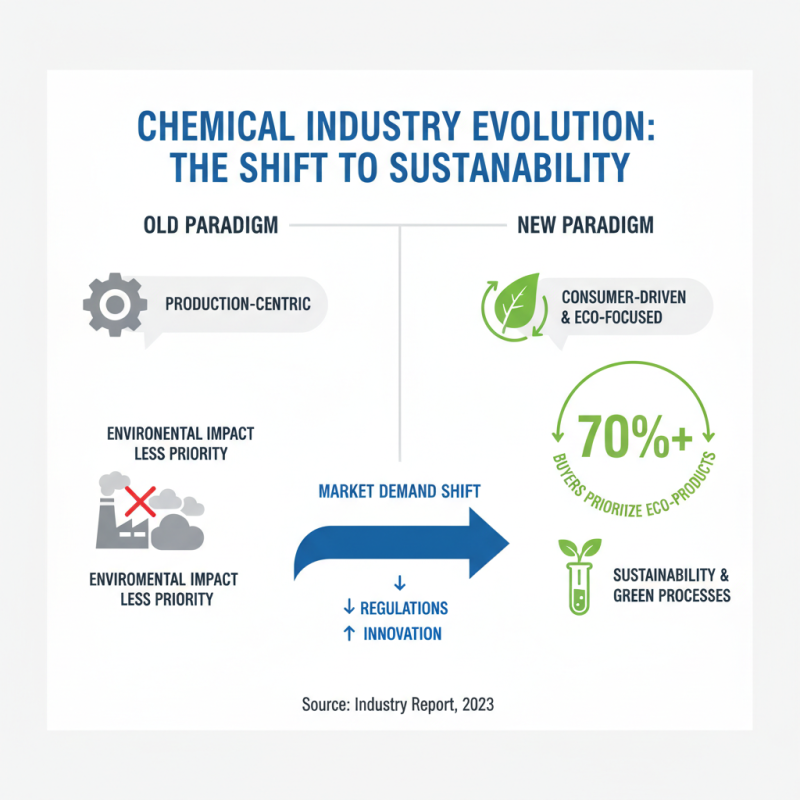
As the chemical industry evolves, market demand is swiftly changing. Consumers are increasingly focused on sustainability and environmental impact. According to a recent industry report, over 70% of buyers prioritize eco-friendly products. This shift demands that manufacturers rethink their production processes.
Aligning production with consumer needs is challenging. Companies often struggle to implement innovative technologies. For example, transitioning to bio-based materials can increase costs initially. However, studies show that eco-conscious consumers are willing to pay up to 20% more for sustainable options. This signifies a potential market advantage for companies that adapt.
Tips: Embrace digital tools for better supply chain management. Monitor consumer feedback regularly. Consider forming partnerships to improve product sustainability. Adapting to these trends is not just beneficial, but essential. Falling behind could mean losing customer trust and market share. Reflect on current practices. Are they meeting the rising demand for sustainable solutions? Engaging with customers can provide valuable insights for future development.